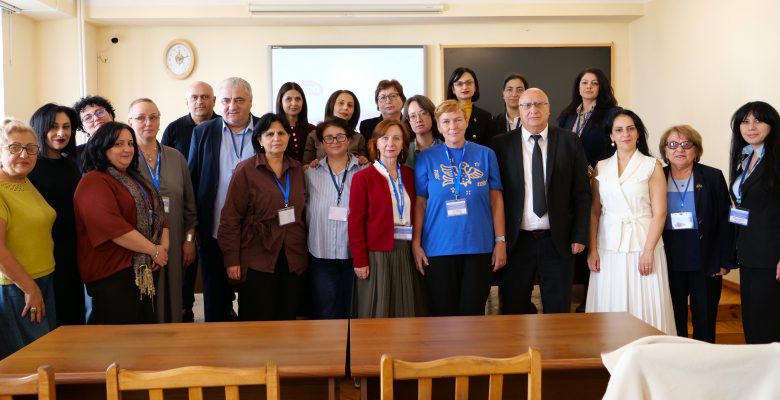
Scientific Dialogue Without Borders: The 8th International Conference at VSU
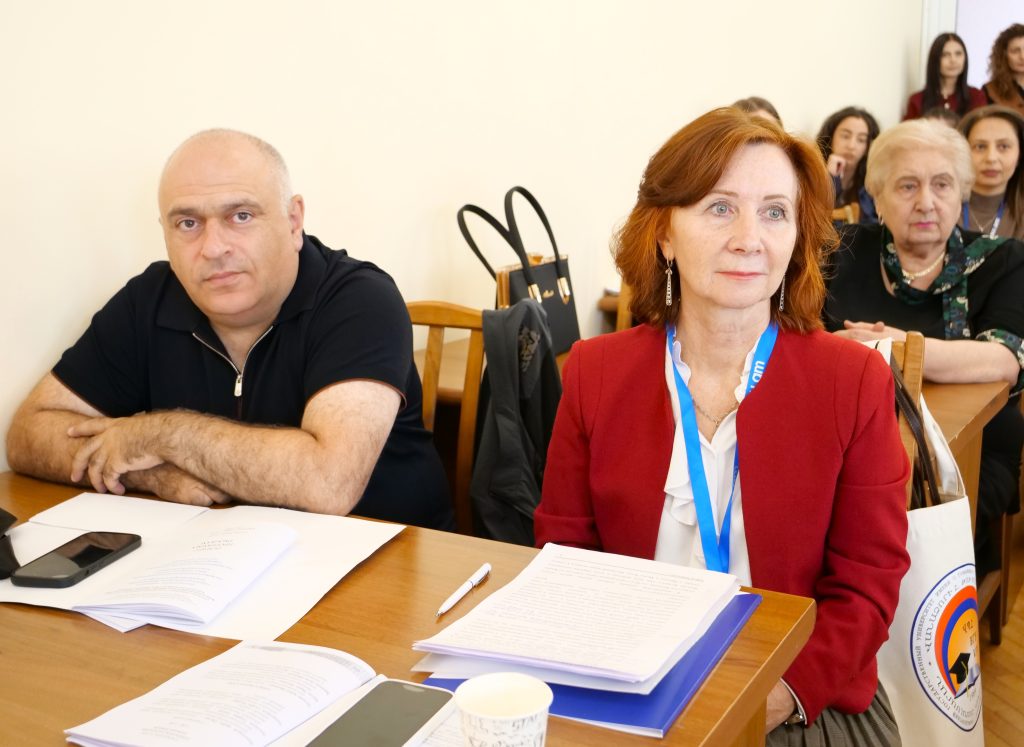
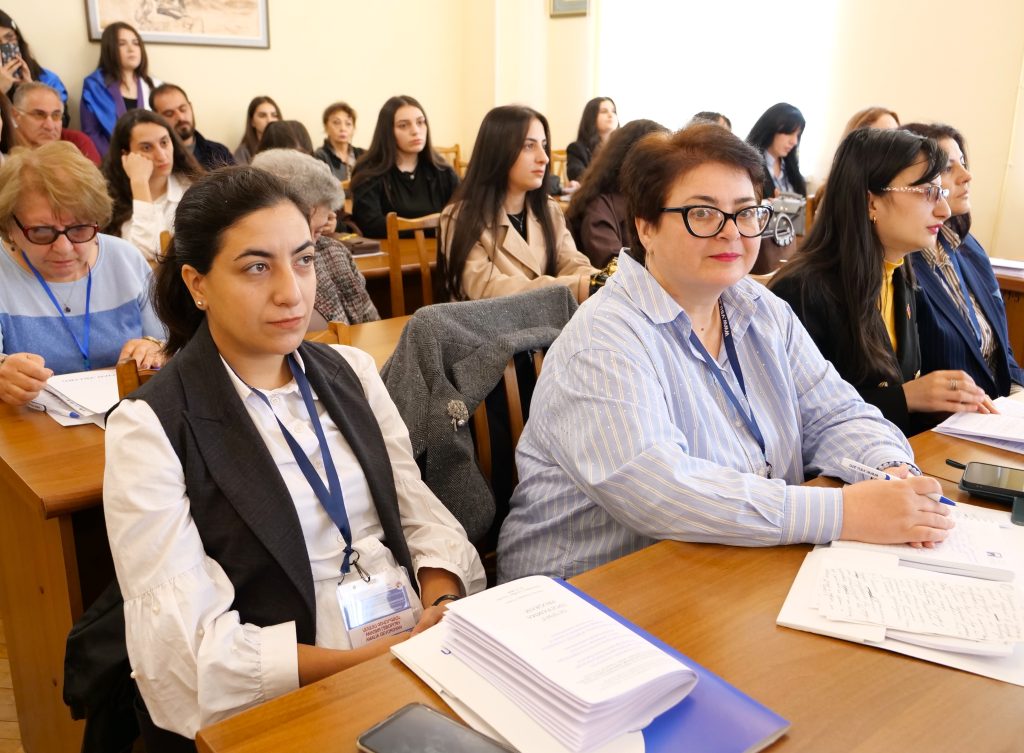
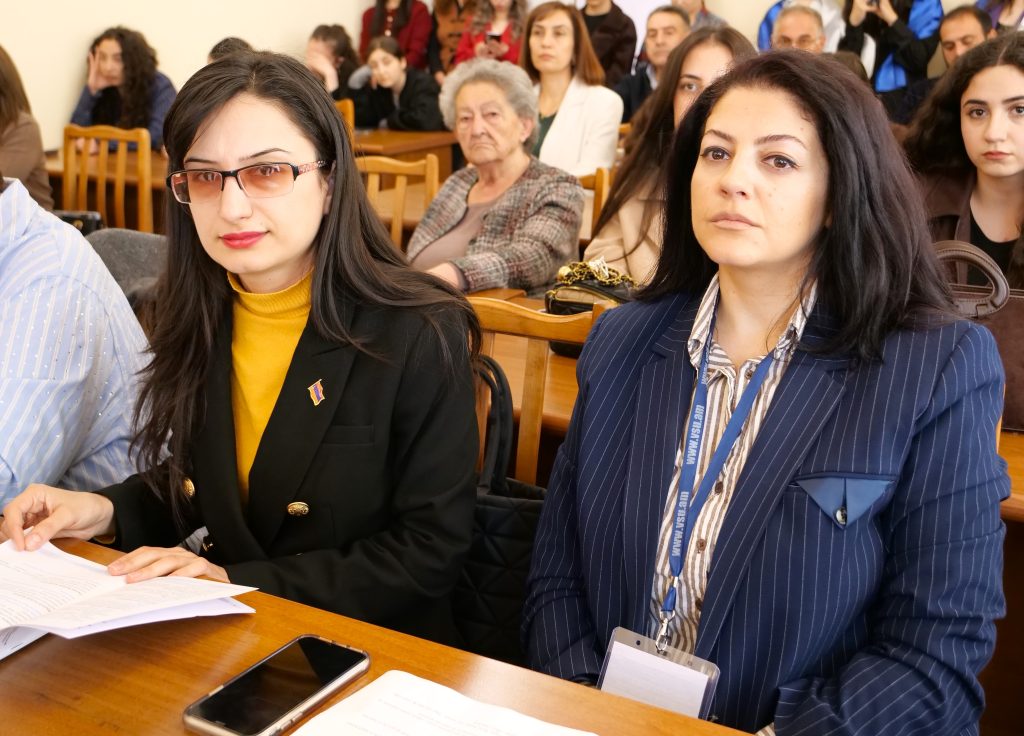
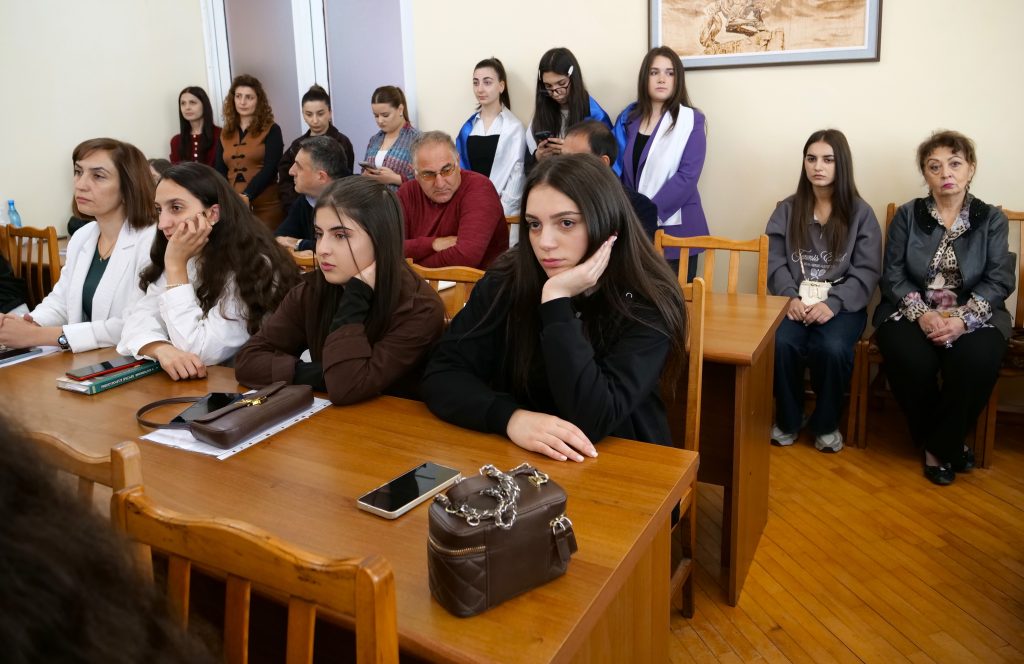
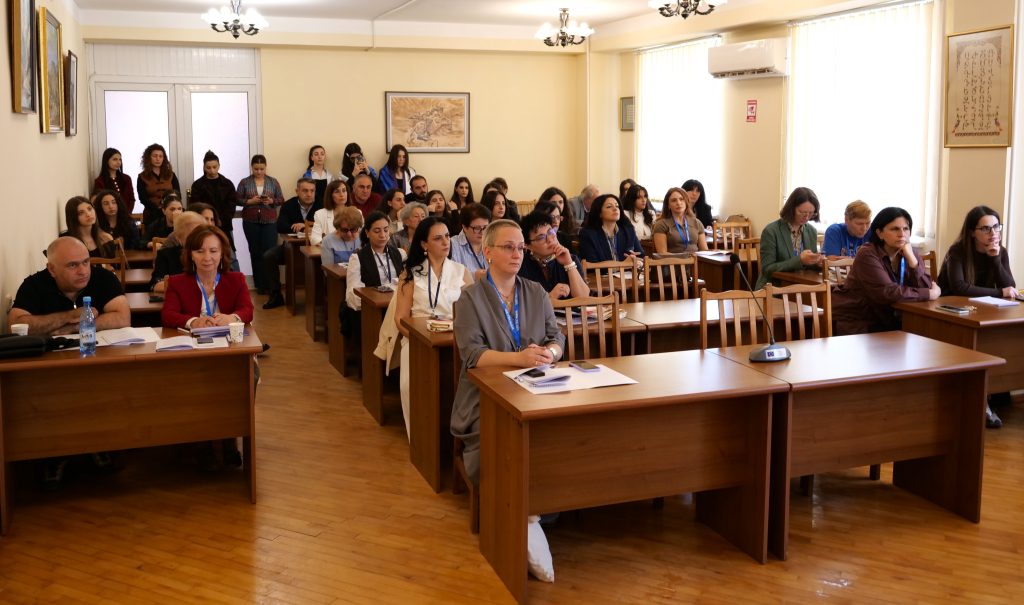
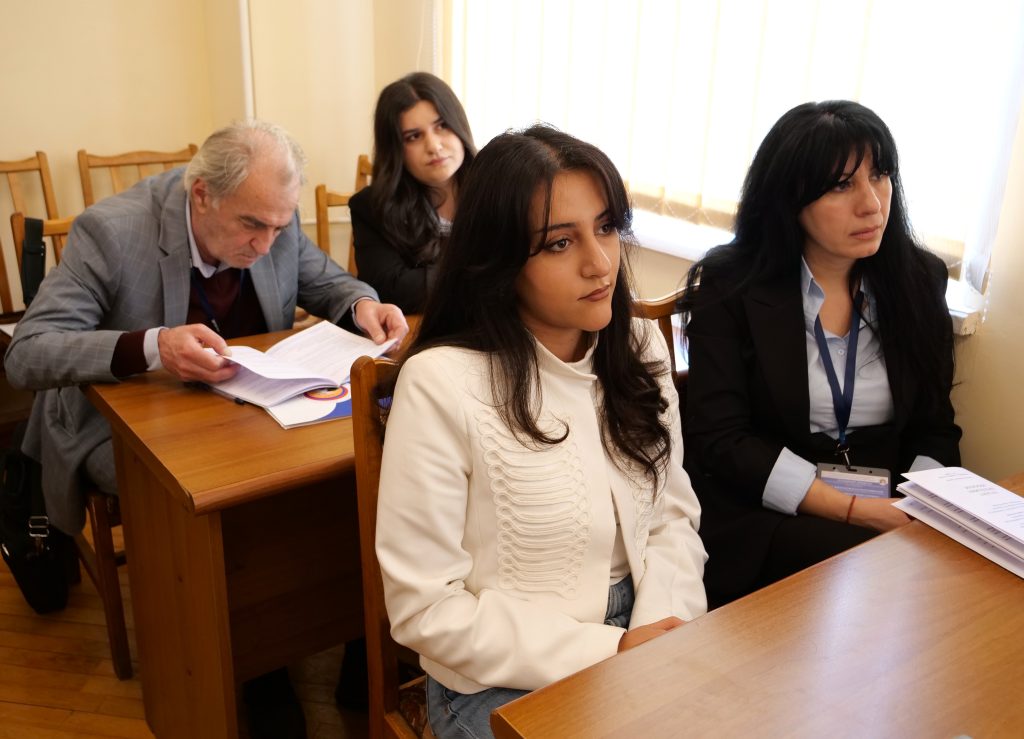
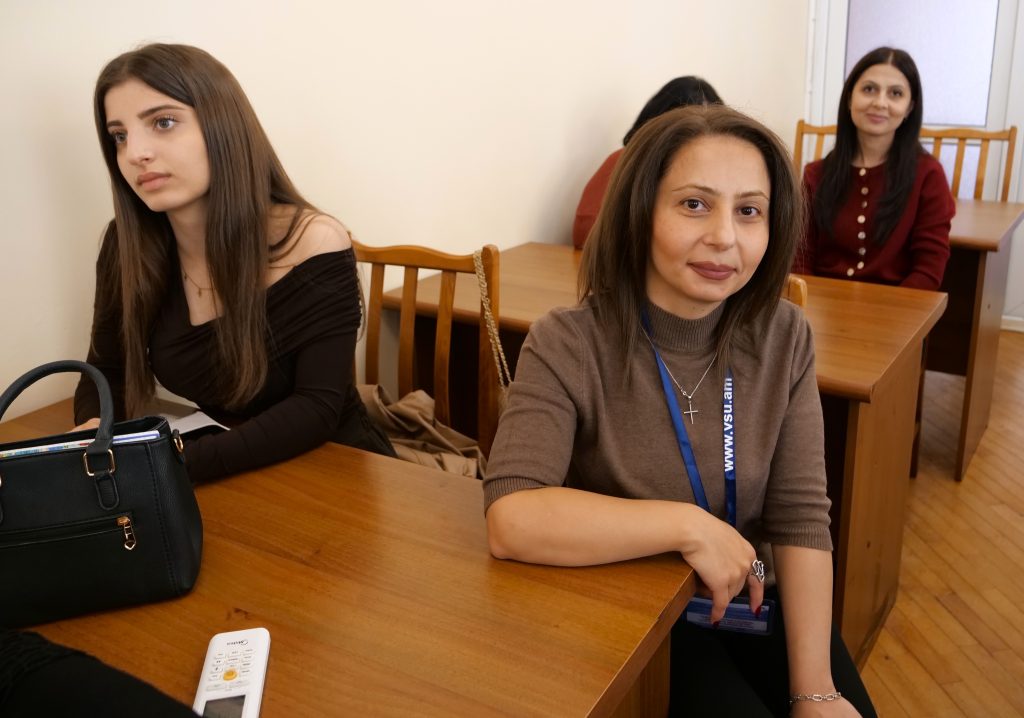
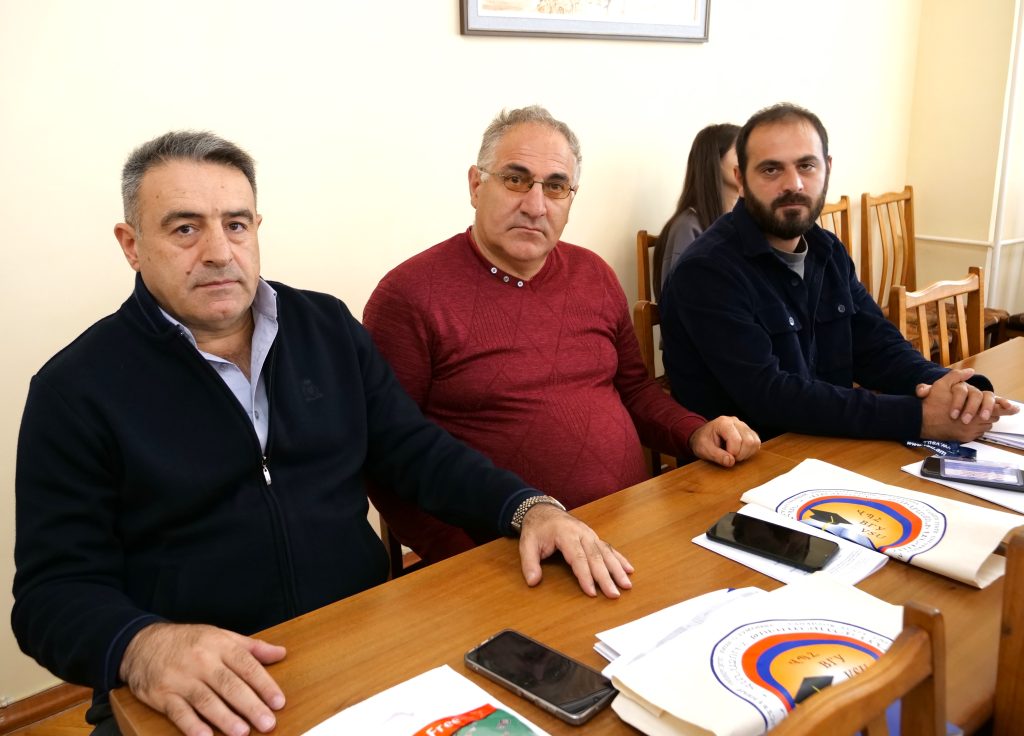
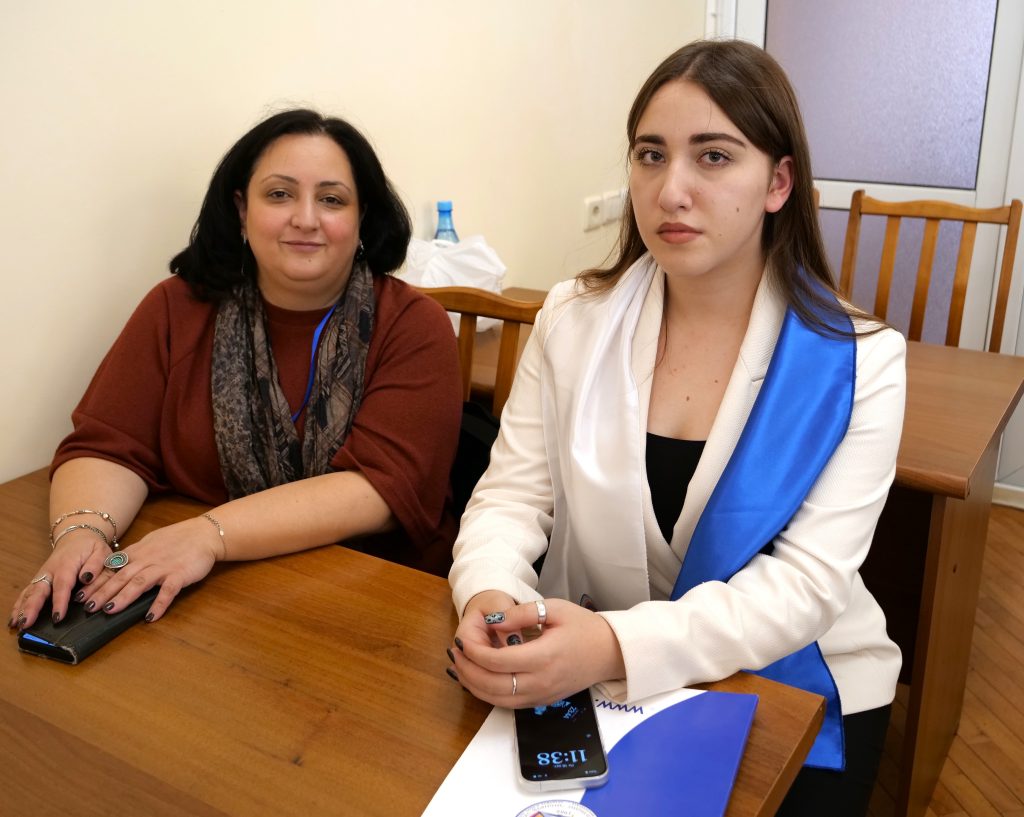
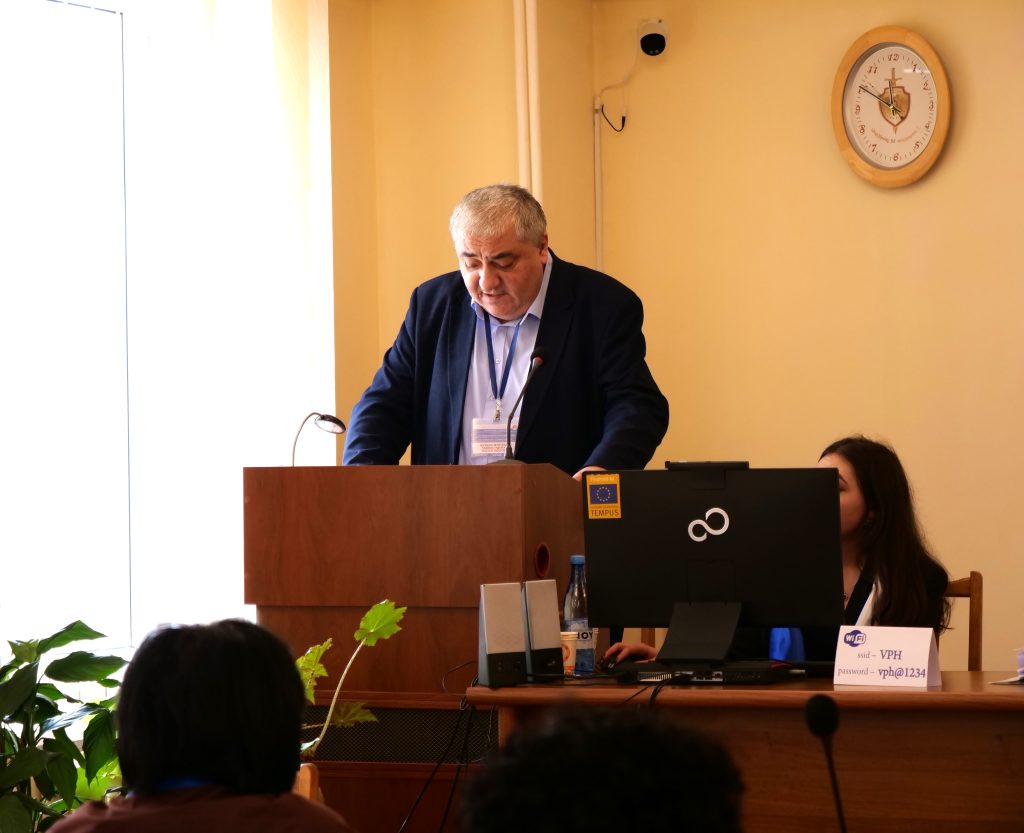
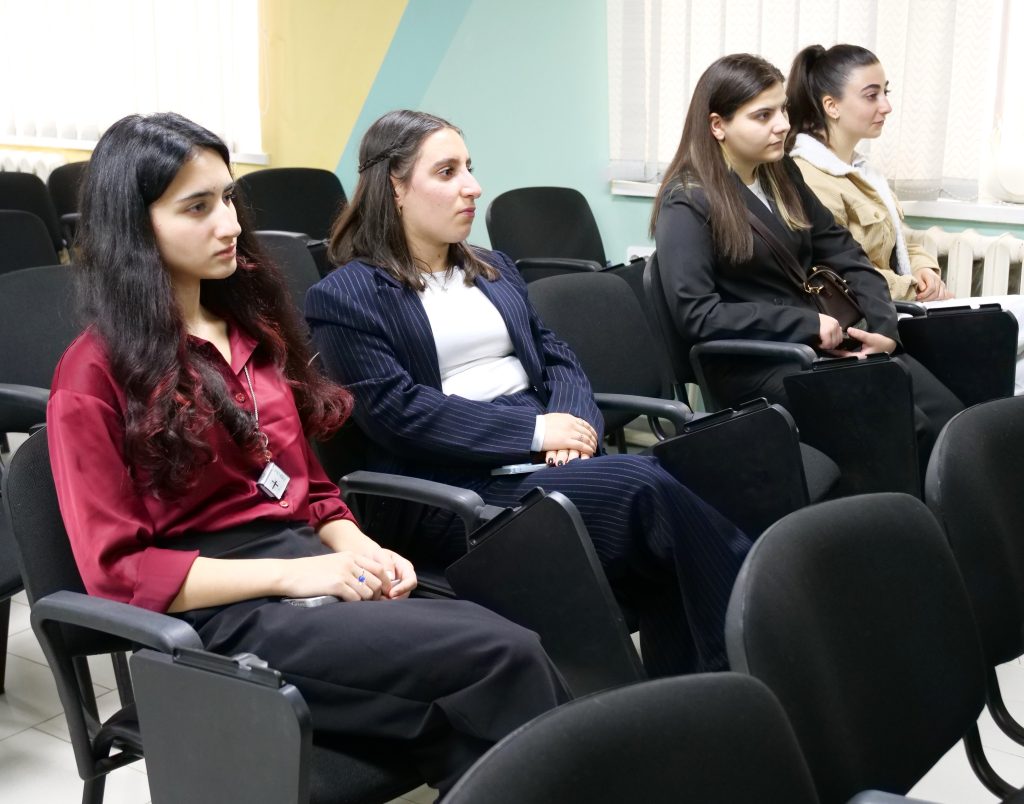
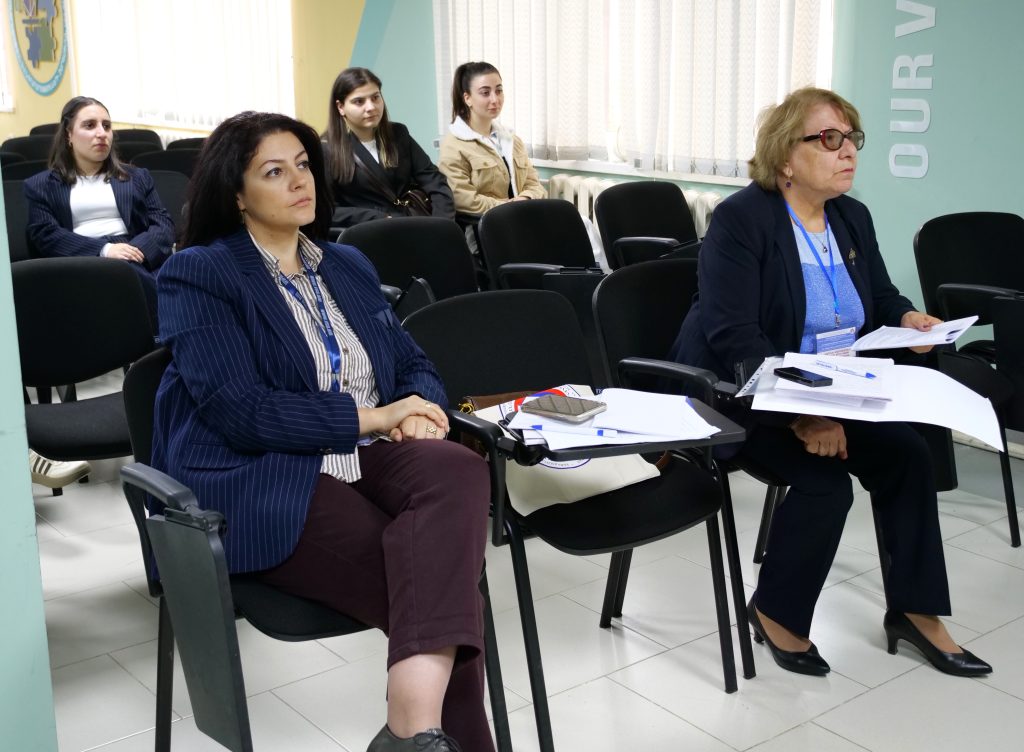
On 16 October, “Vanadzor State University after H. Tumanyan” Foundation became a platform for international scientific dialogue, bringing together scholars, researchers and representatives of the academic communities from Armenia and abroad. The 8th International Conference “Language and Literature in the Context of Intercultural Communication” was held on the initiative of the Chair of Foreign Languages and Literature.”
This well-established academic tradition once again gave researchers from different countries the opportunity to present their findings, discuss pressing issues in contemporary philology, and expand inter-university scholarly cooperation.
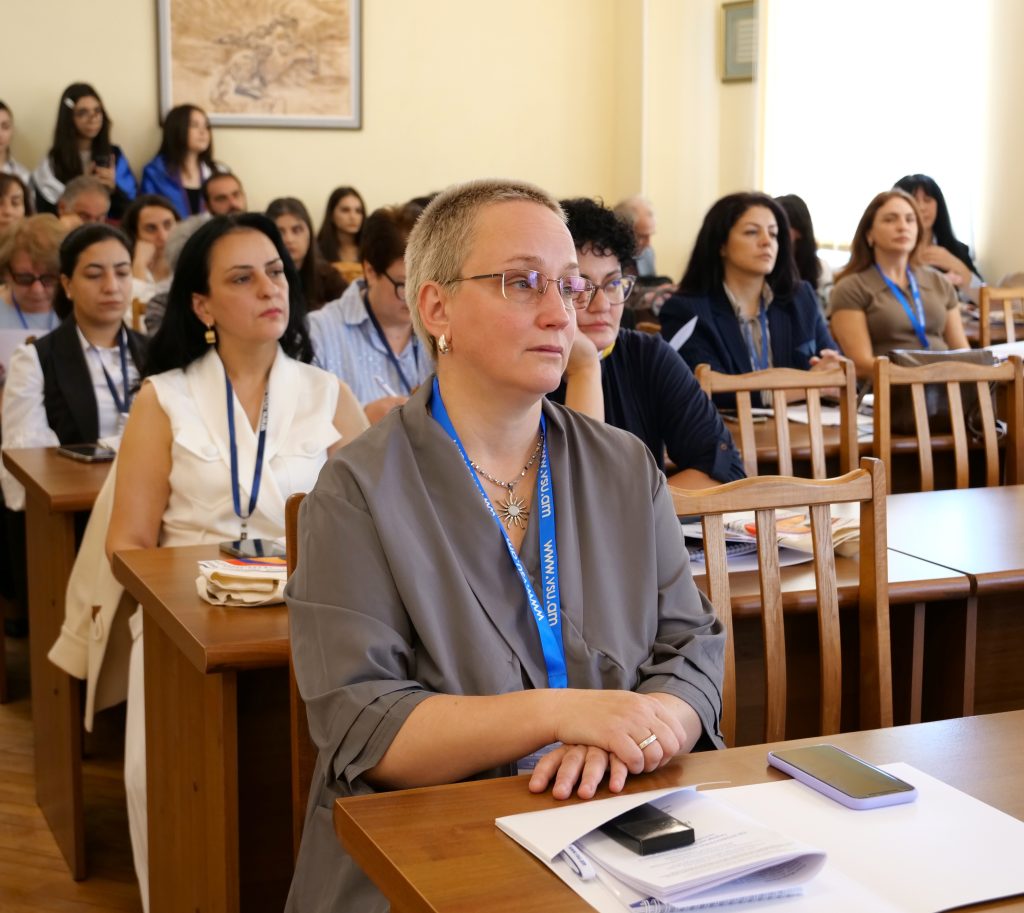
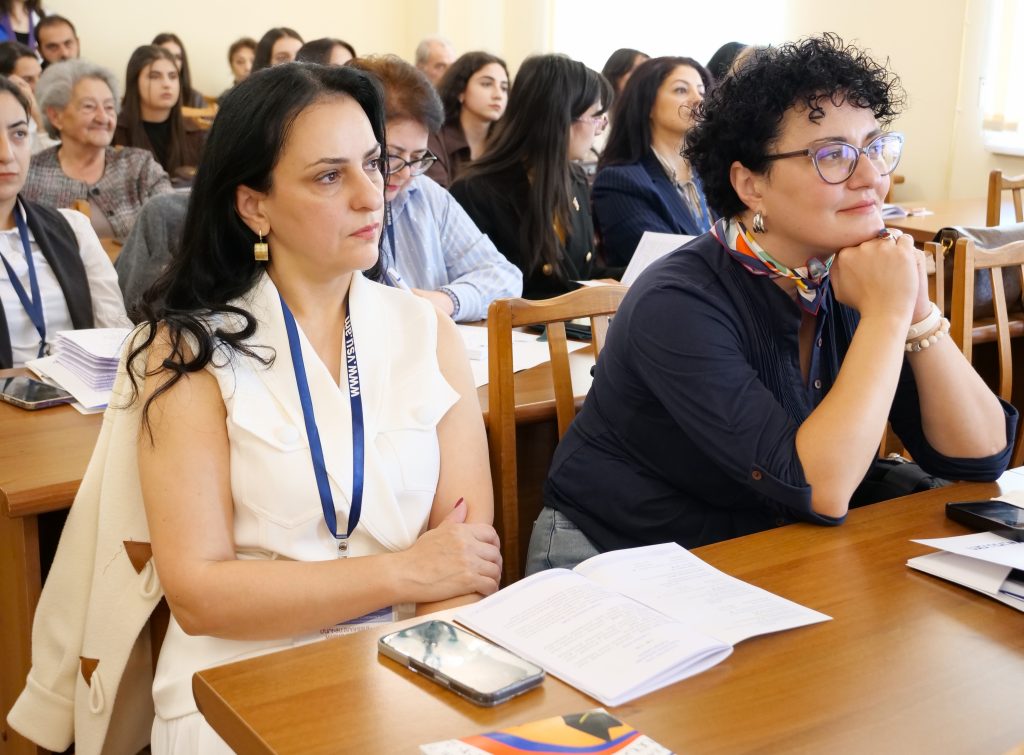
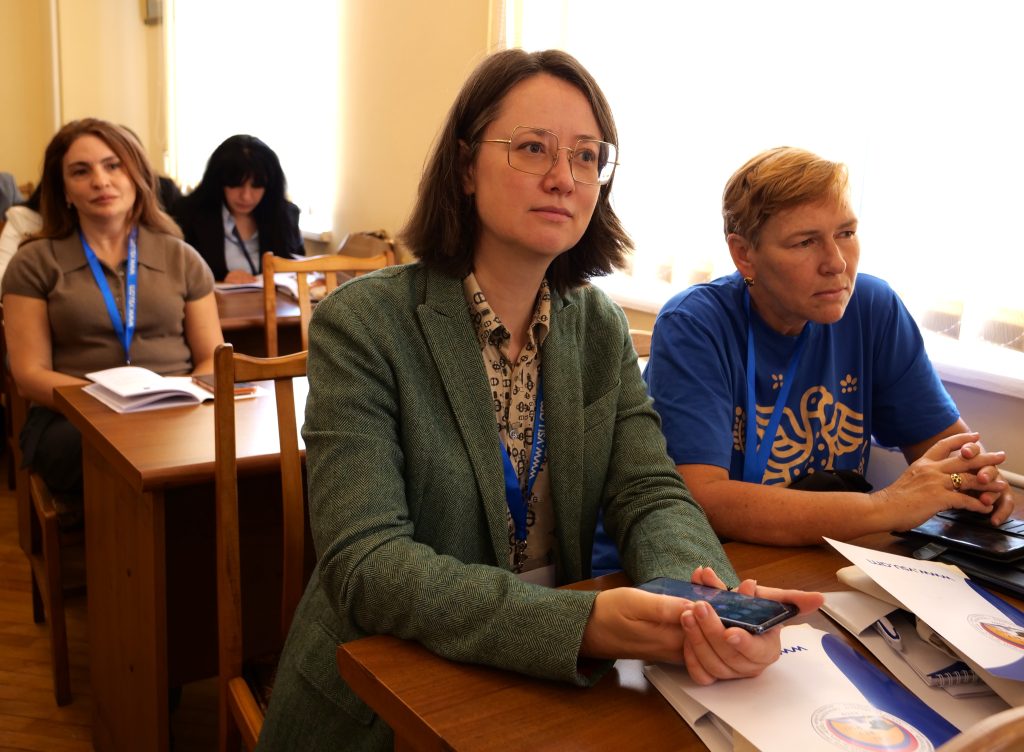
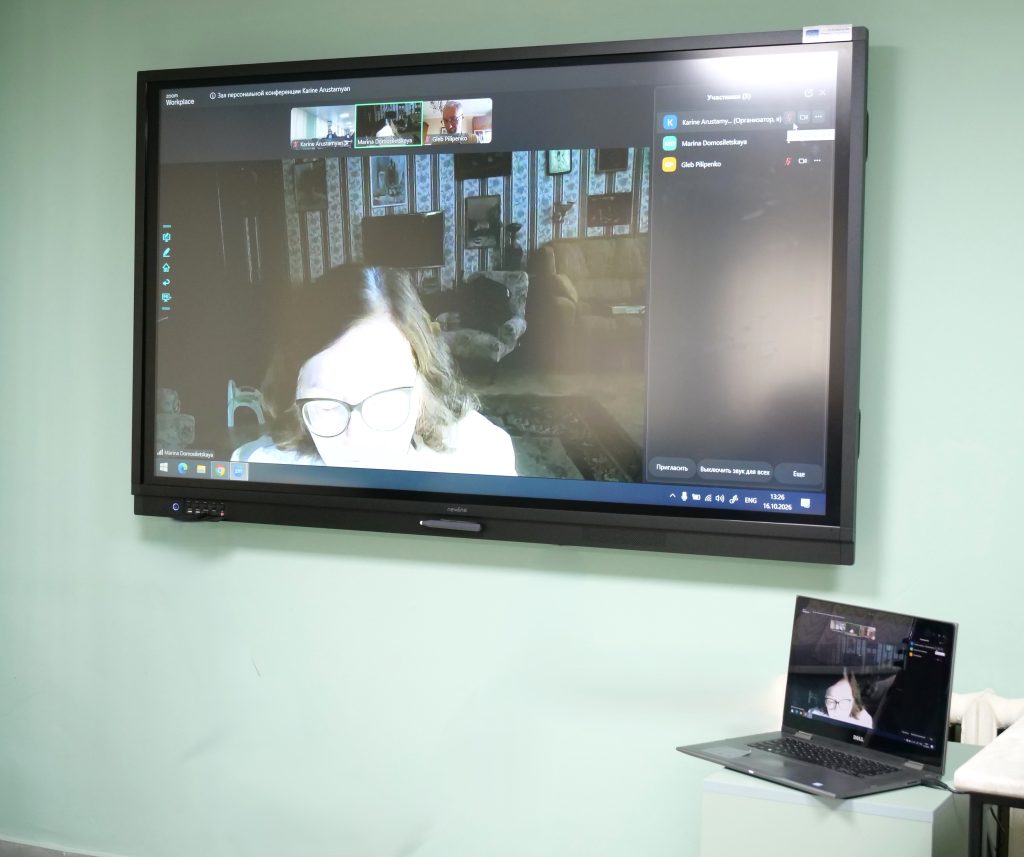
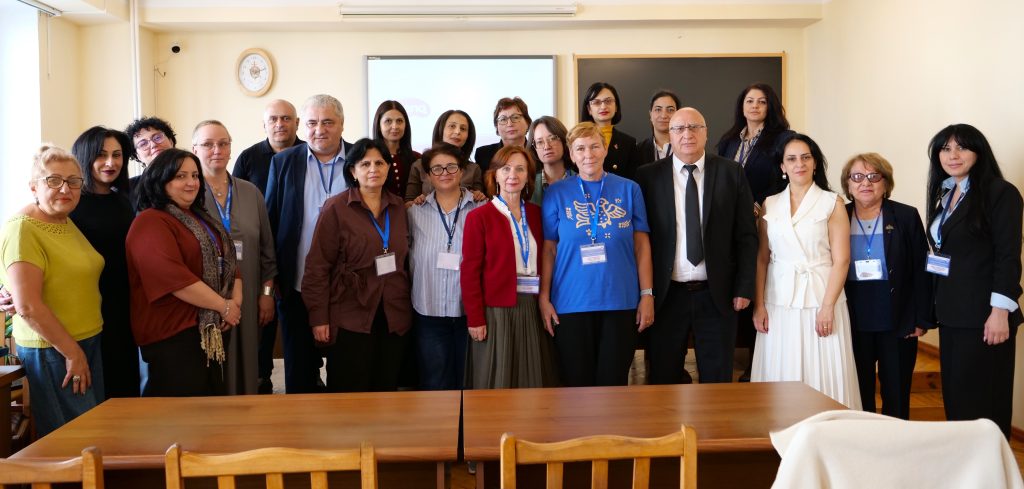
The international scope of the conference was reflected in the geography of its participants: among VSU’s partners were representatives of eight higher education institutions from Russia, Belarus, Hungary, Georgia, Poland and Serbia. The meeting of different scholarly schools and research traditions made it possible to consider the questions under discussion from multiple perspectives, ranging from national cultural specificities to universal patterns of language and literature.
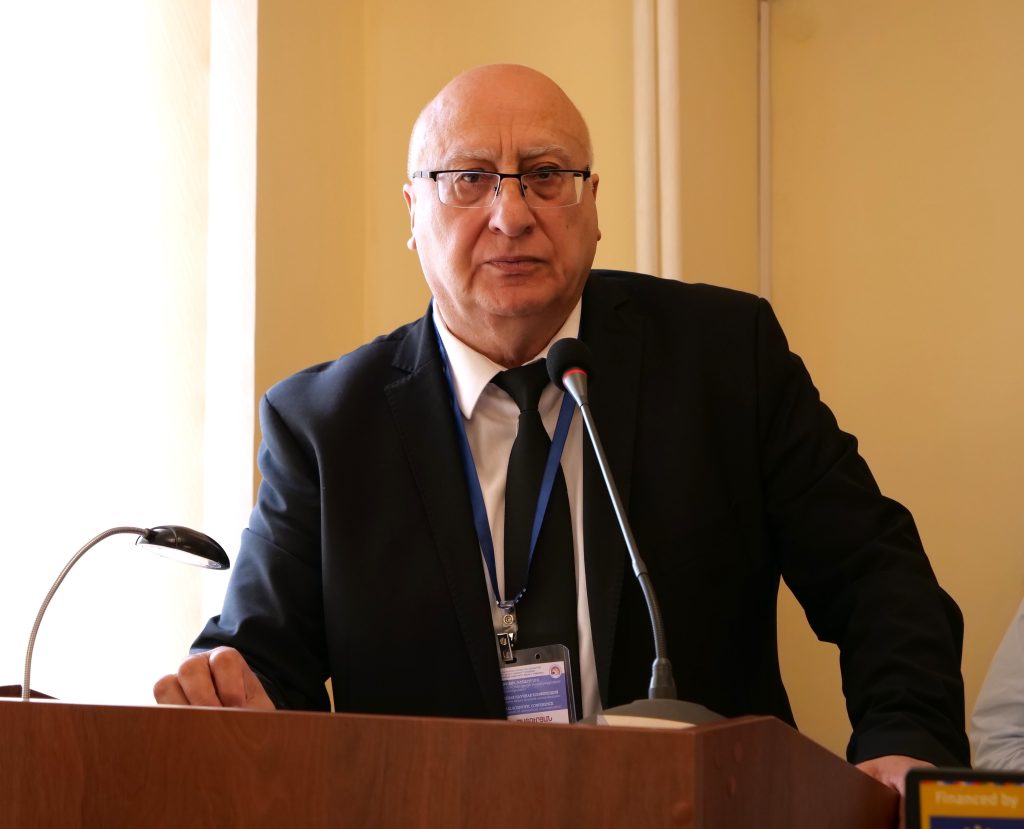
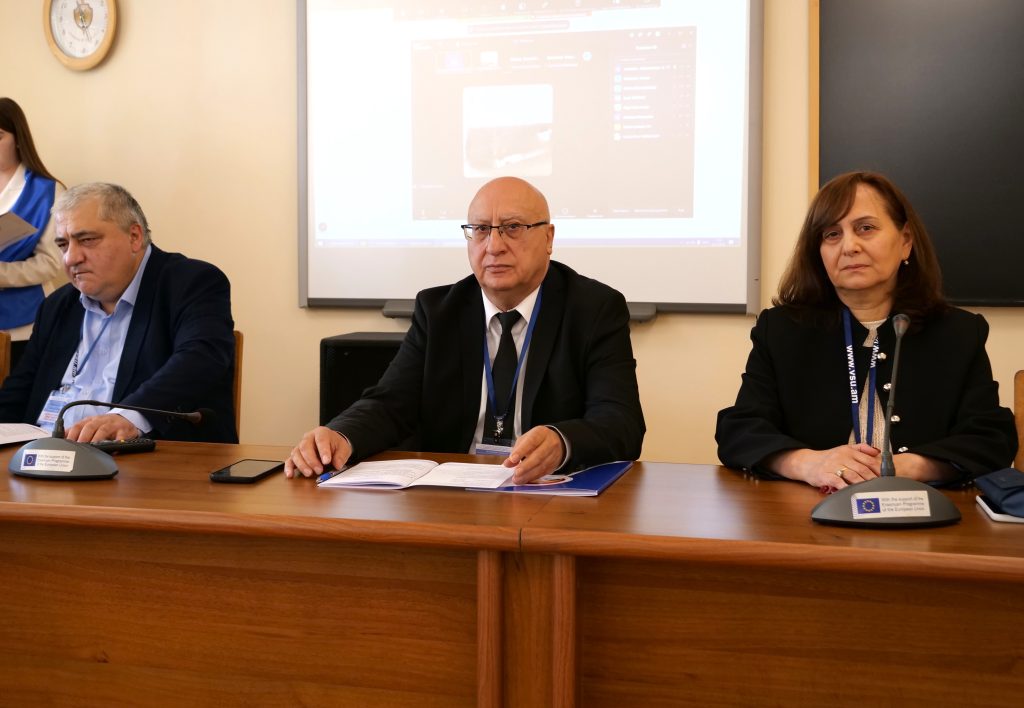
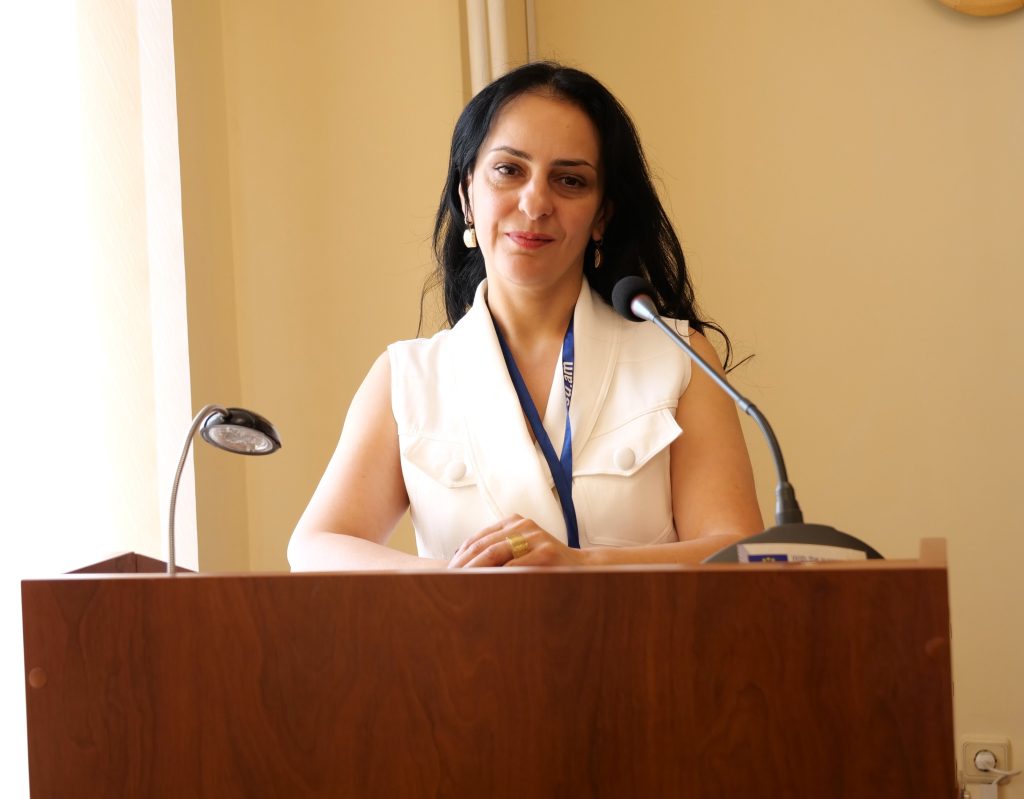
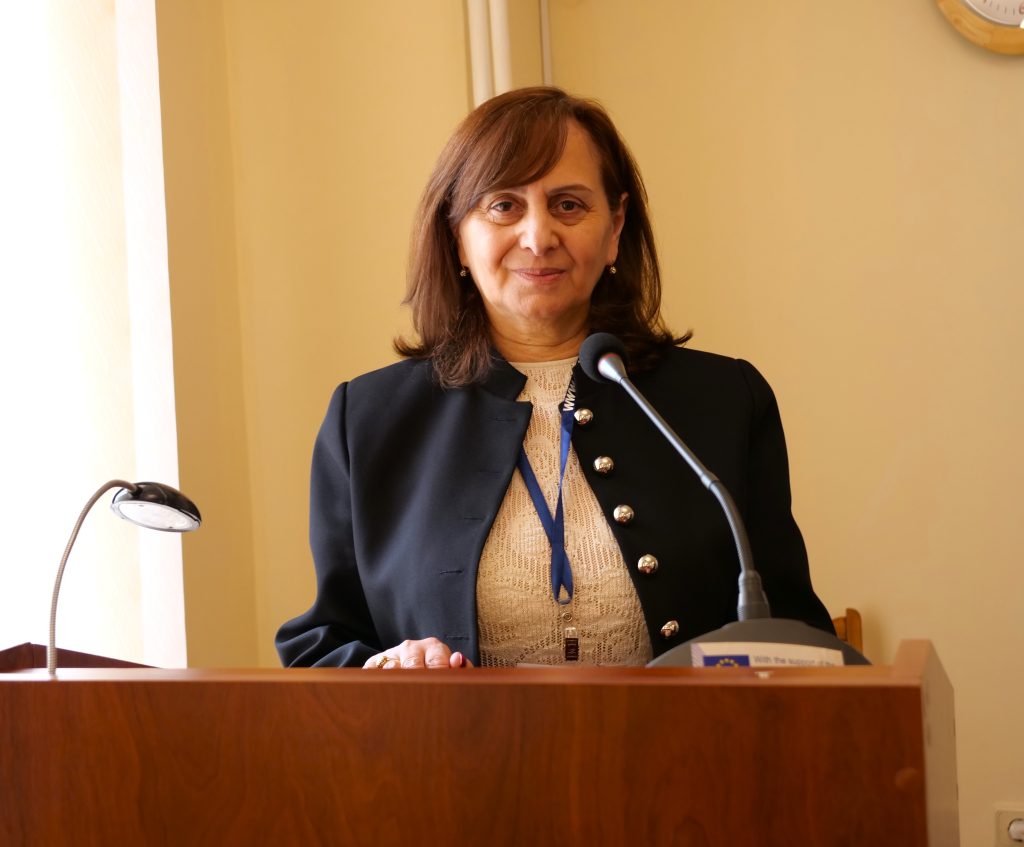
The conference started with welcome speeches by Mr. Armen Tsaturyan, Rector of VSU and Doctor of Pedagogical Sciences; Mariya Brutyan, Dean of the Faculty of Humanities, Candidate of Historical Sciences and Associate Professor; and Lusik Vardanyan, Head of the Chair of Foreign Languages and Literature, Candidate of Philological Sciences and Associate Professor.
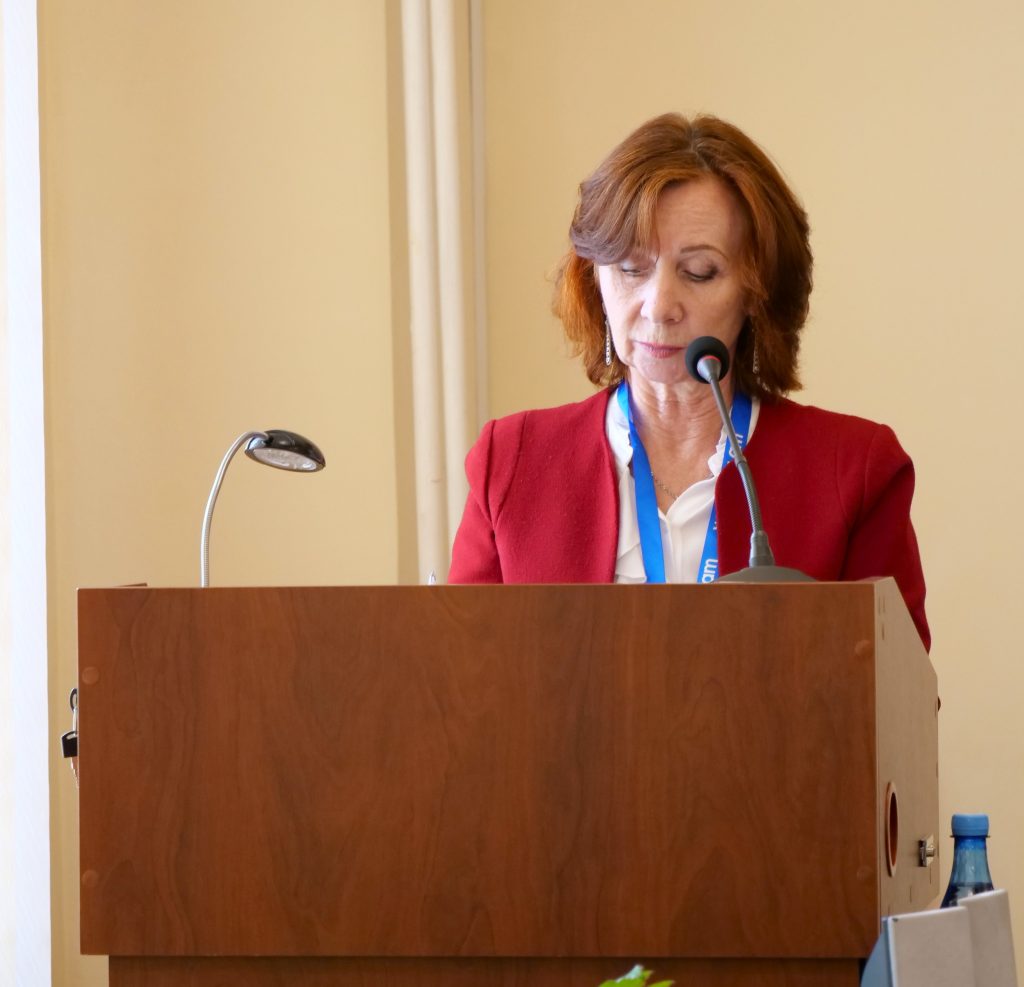
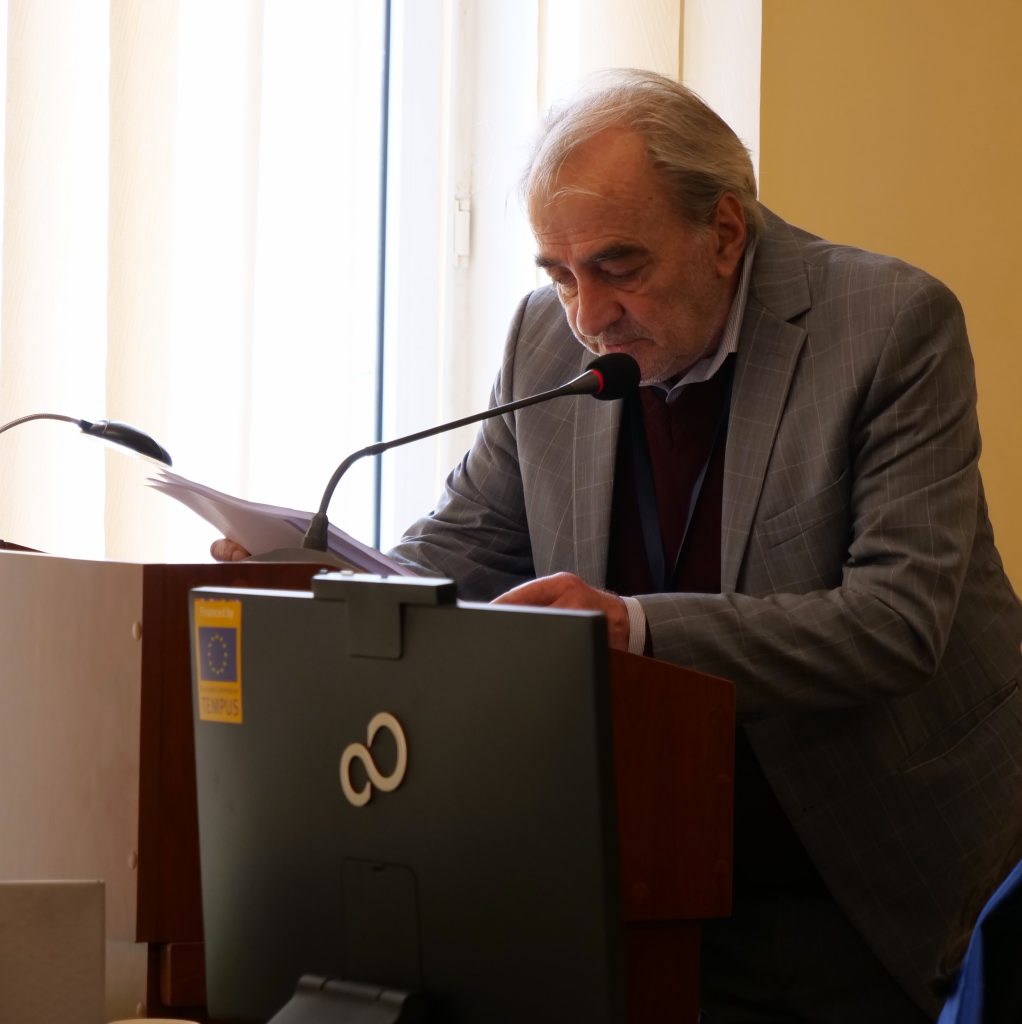
The conference opened with a plenary session featuring papers that offered diverse interpretations of literary phenomena and explored their historical and cultural contexts.
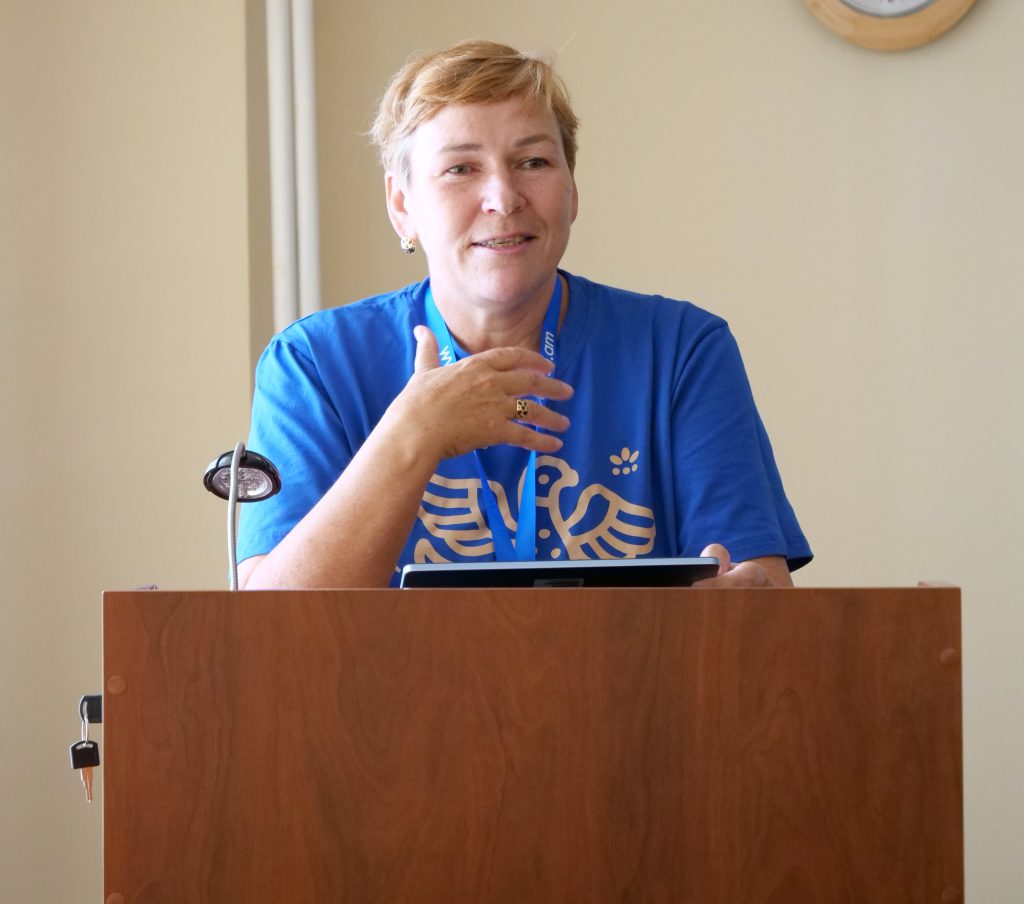
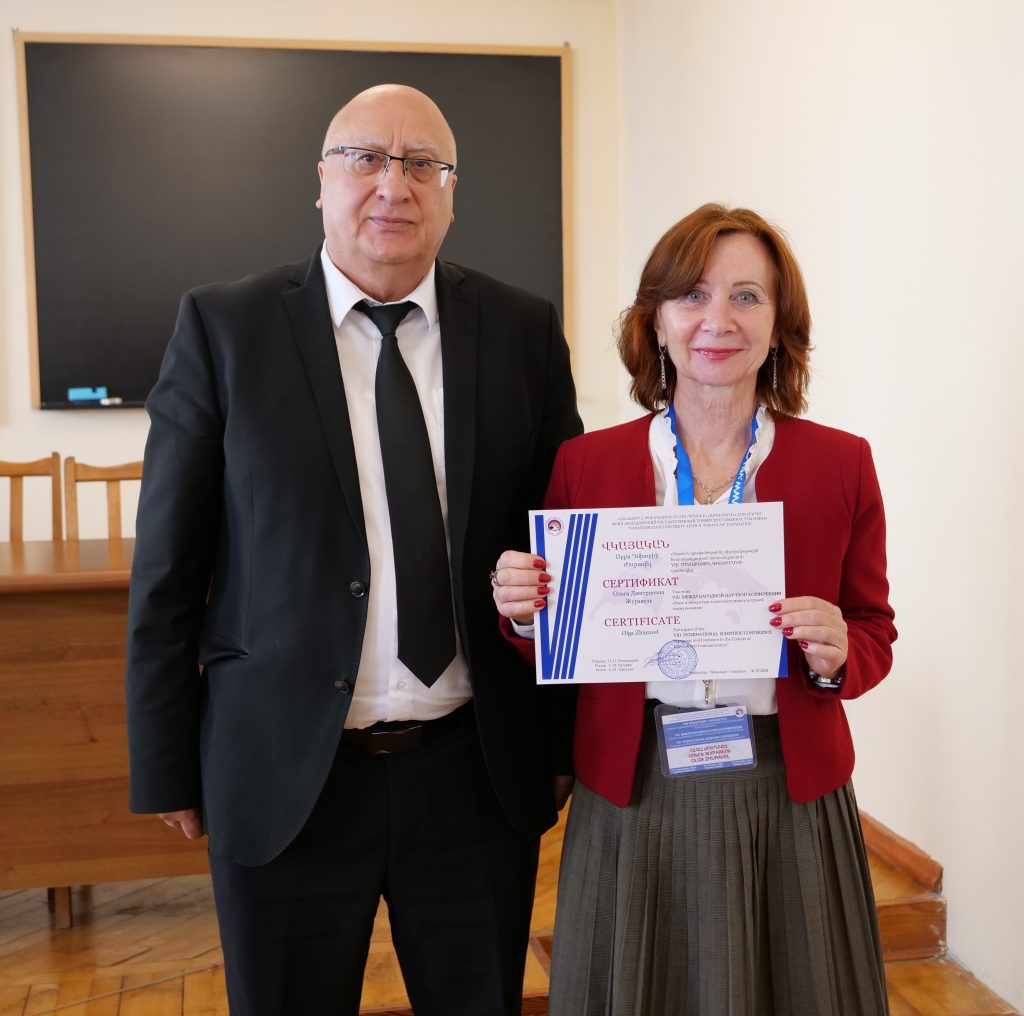
Olga Zhuravel, Professor at Novosibirsk State University and Doctor of Philological Sciences, addressed the reflection of the demonological myth in the memory of twentieth-century Russian literature, focusing on the interrelations between myth and literary memory.
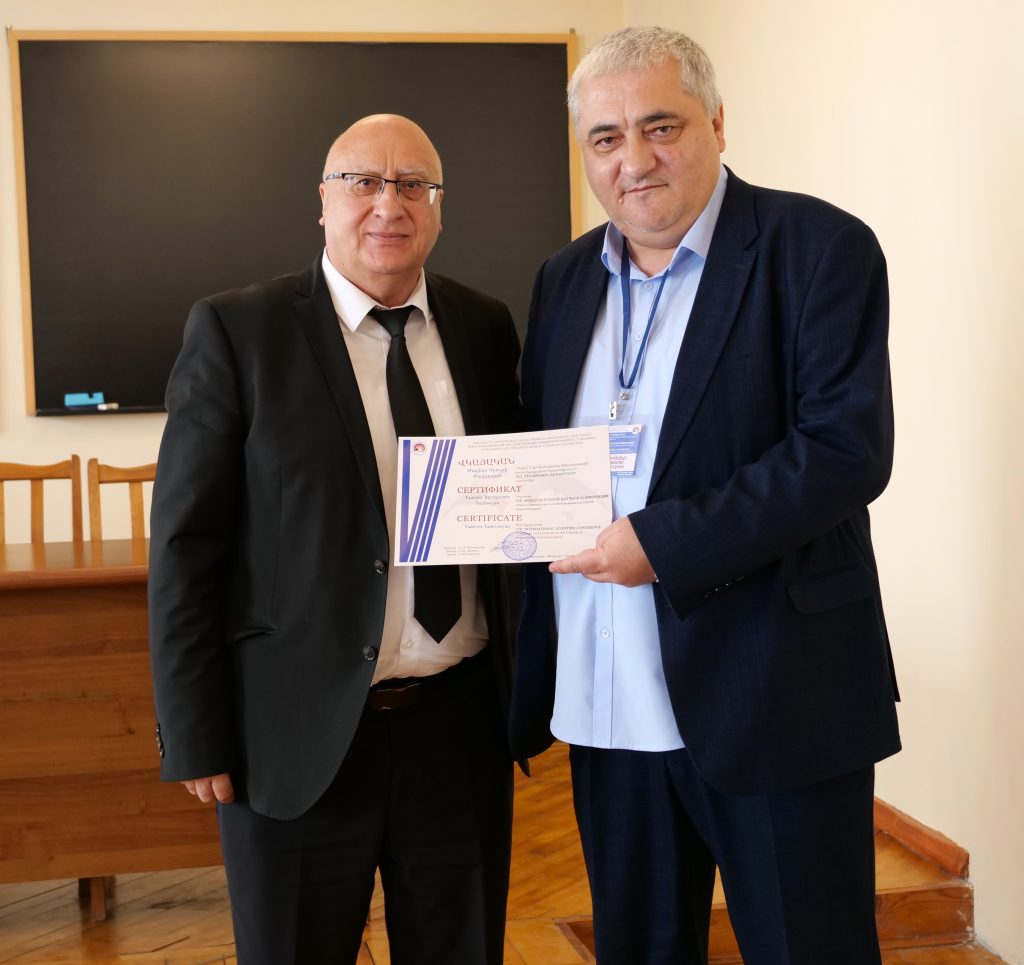
The scholarly paper by Tadevos Tadevosyan, Associate Professor at the VSU Chair of Foreign Languages and Literature and Candidate of Philological Sciences, was devoted to the reflection of DzoraHek, as an industrial myth, in Armenian literature of the 1920s and 1930s within an all-Soviet context. Valeri Piloyan, Associate Professor at the VSU Chair of Armenian Language and Literature and Candidate of Philological Sciences, then presented a study of Lev Anninsky’s assessments of the works of Hrant Matevosyan.
The thematic range of the plenary session showed how different questions of literary history, mythological thinking, cultural memory and literary criticism can intersect on a single scholarly platform, revealing new perspectives for the study of national literatures.
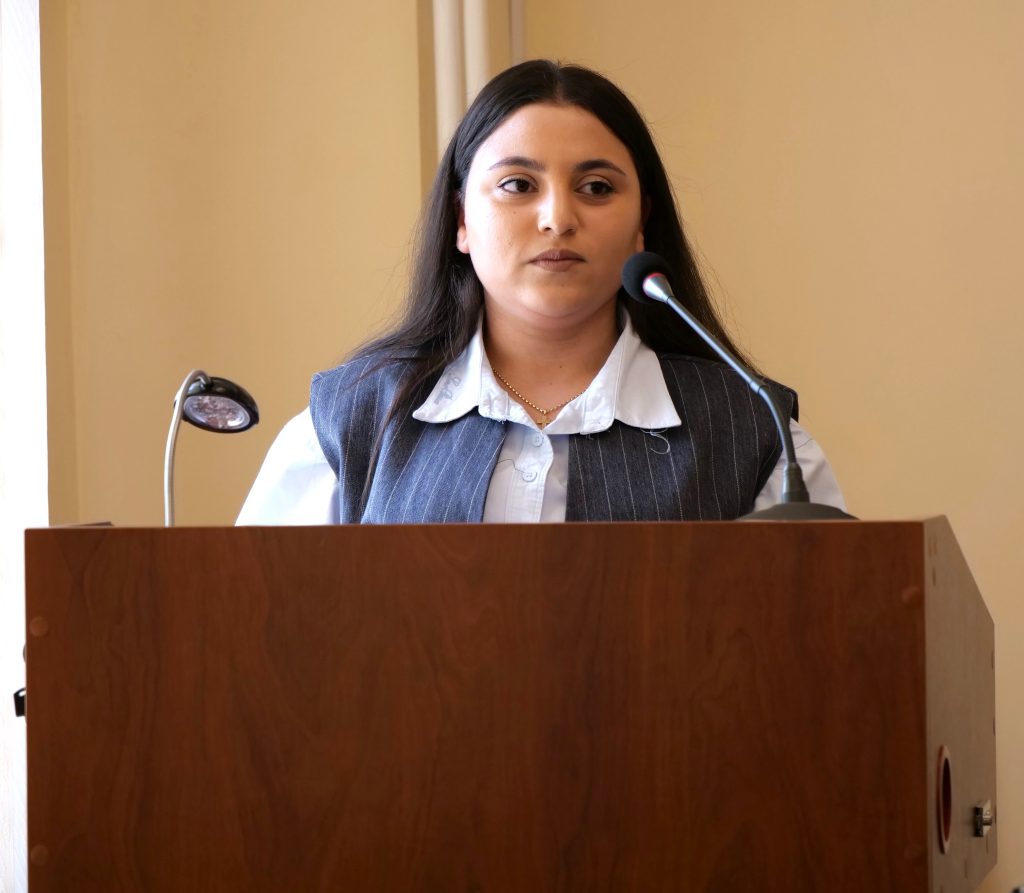
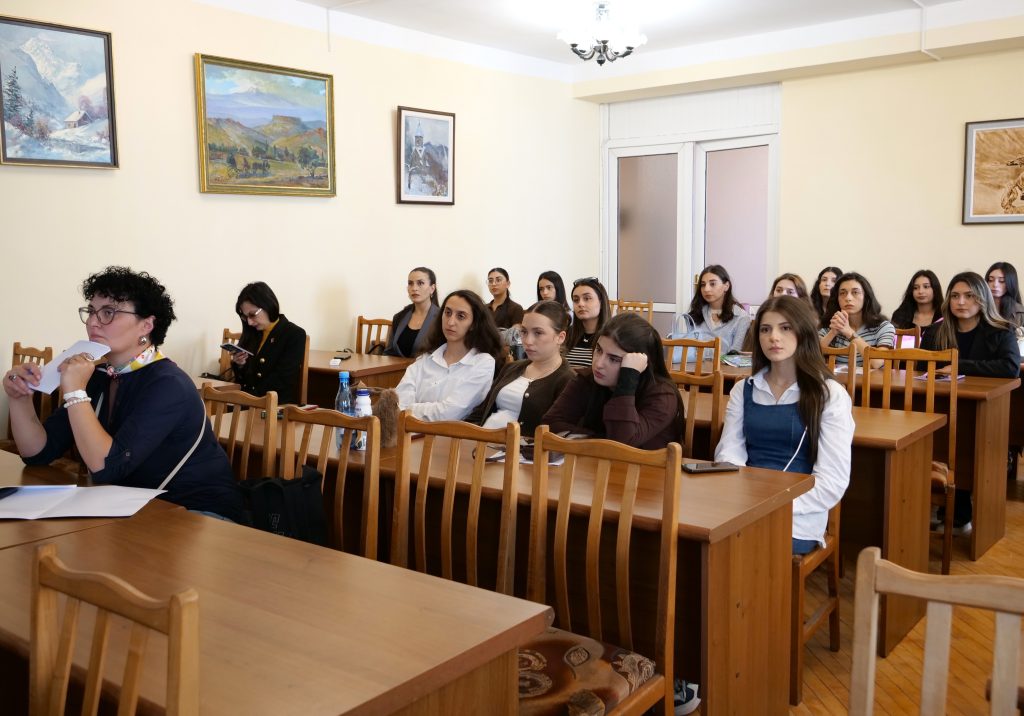
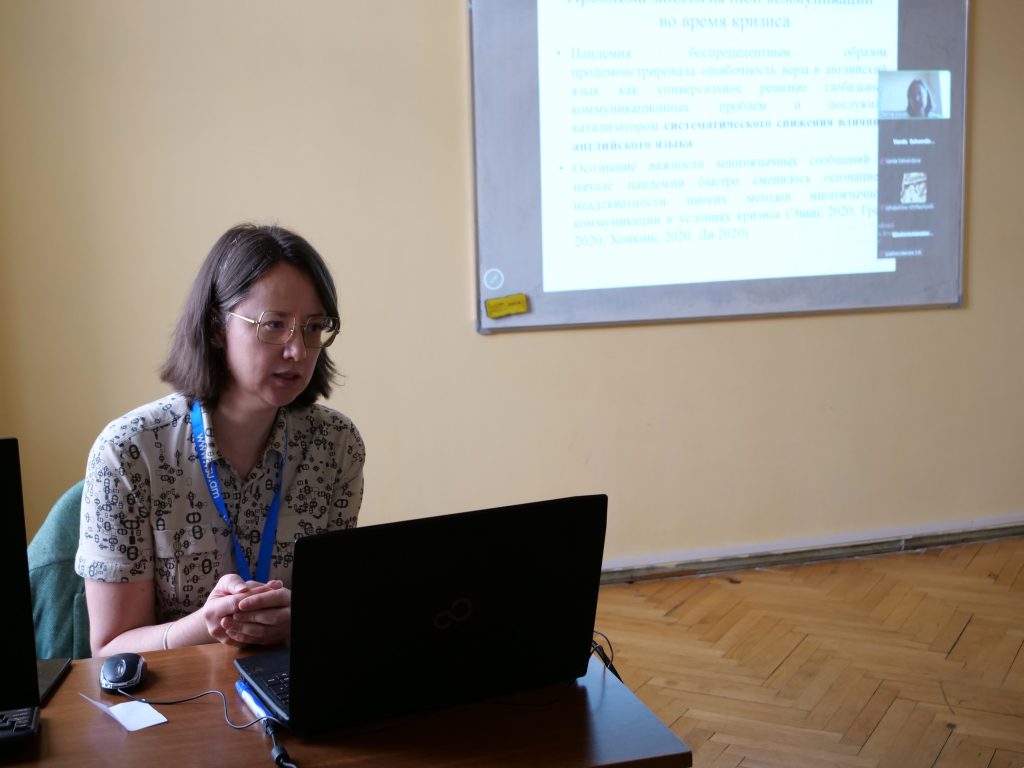
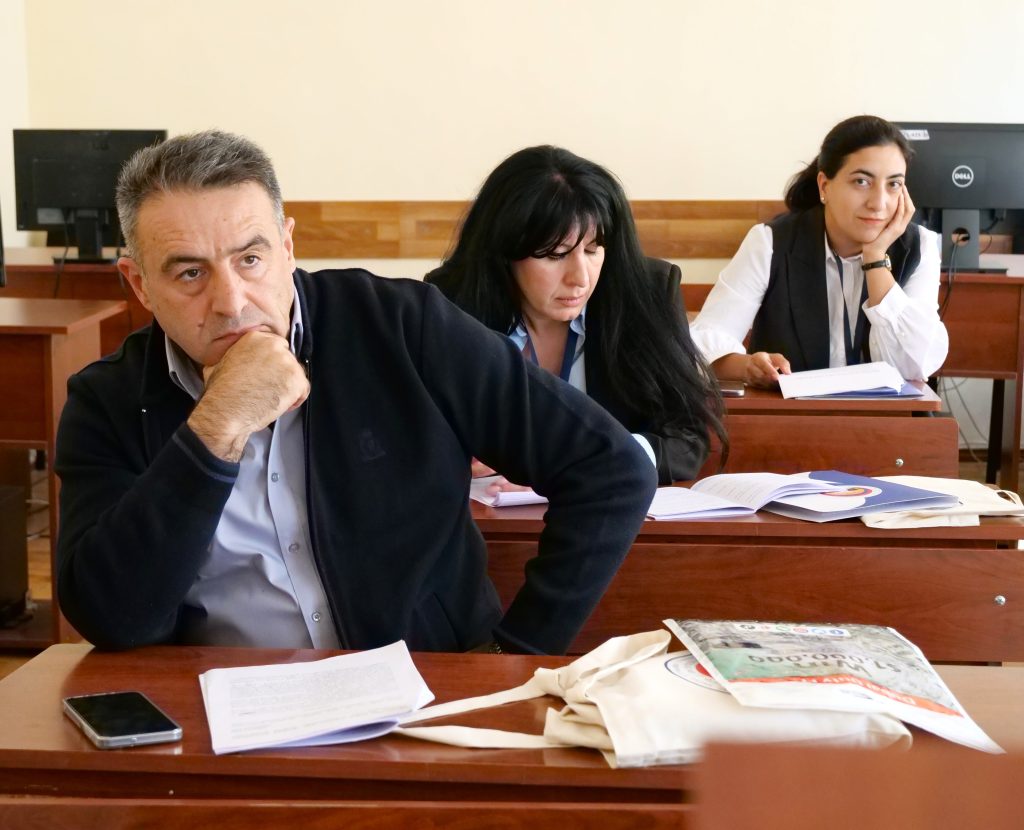
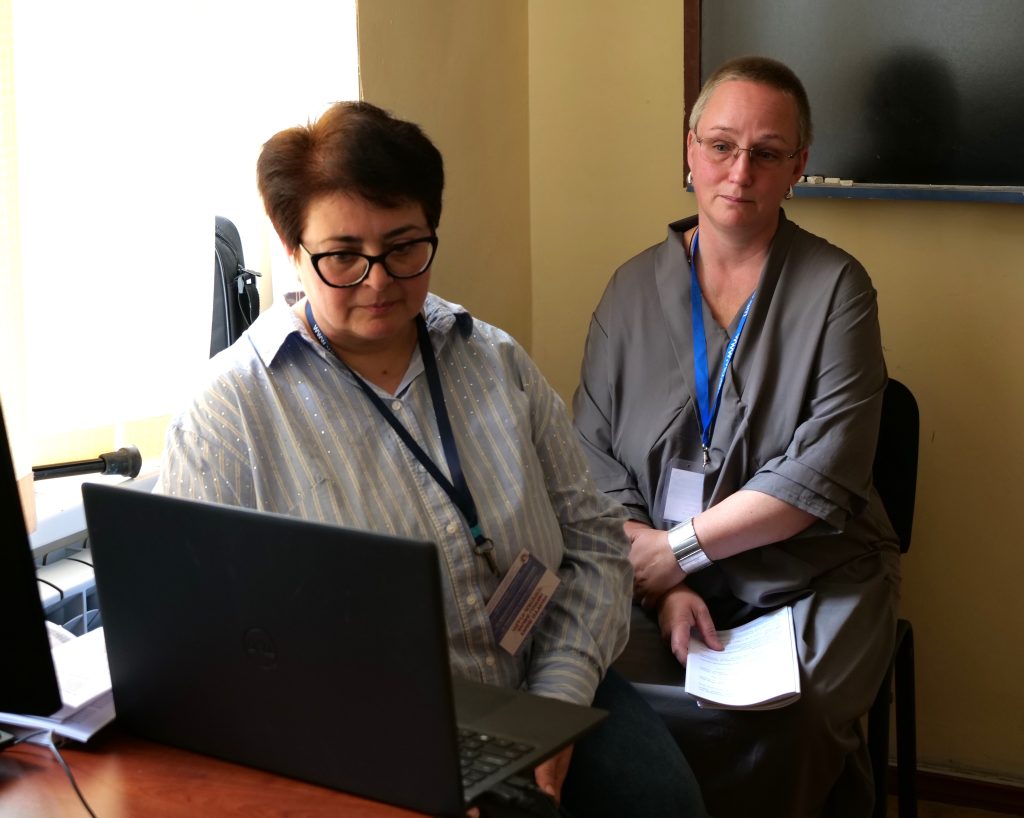
The proceedings continued in specialised sections covering problems of linguistics, literary studies, journalism, folklore studies and pedagogy, as well as the methodology of teaching language and literature.
The thematic diversity of the discussions reflected the interdisciplinary character of the contemporary humanities. The combination of different research directions made it possible to view language and literature not only as separate objects of study but also as important means of preserving cultural memory, expressing national identity and enabling intercultural communication.
Another distinctive feature of the conference was the interrelation between theoretical research and education. Alongside literary and linguistic questions, studies on teaching methodology and pedagogy had their place, underlining the importance of the link between new scholarly approaches and the educational process.
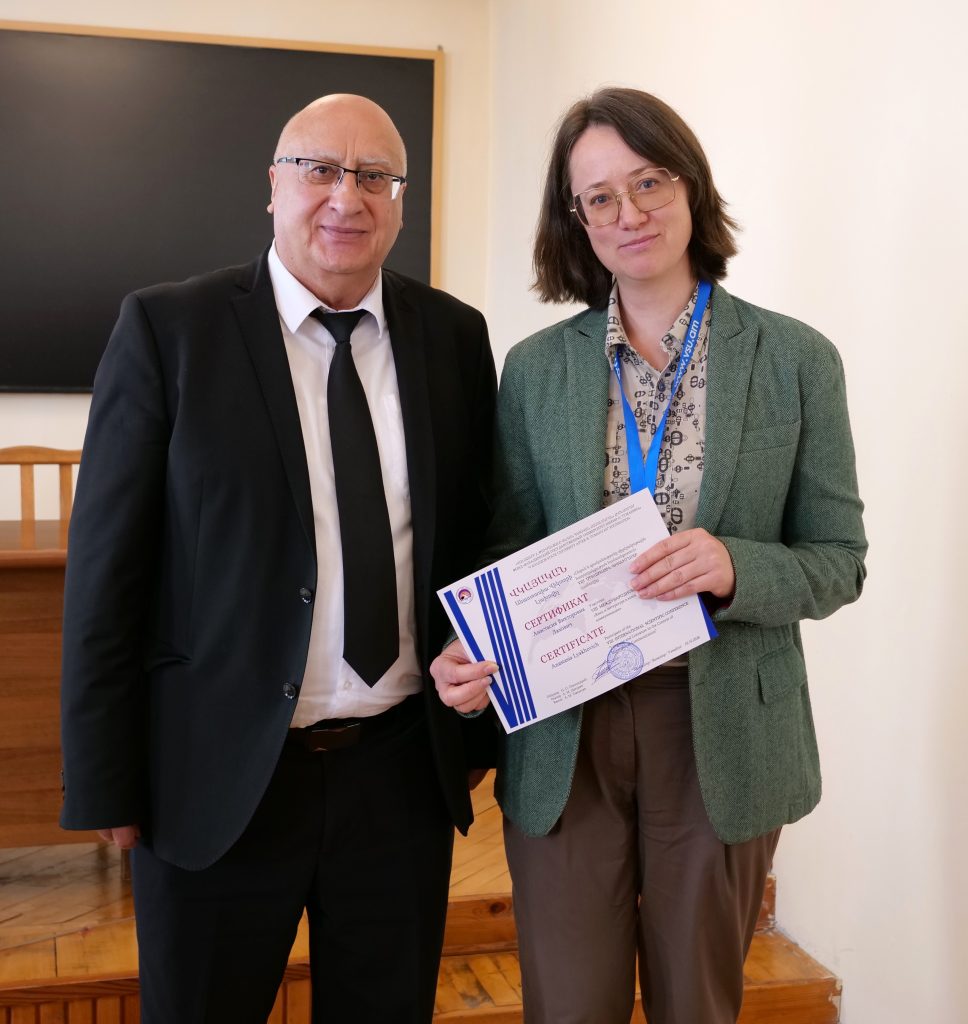
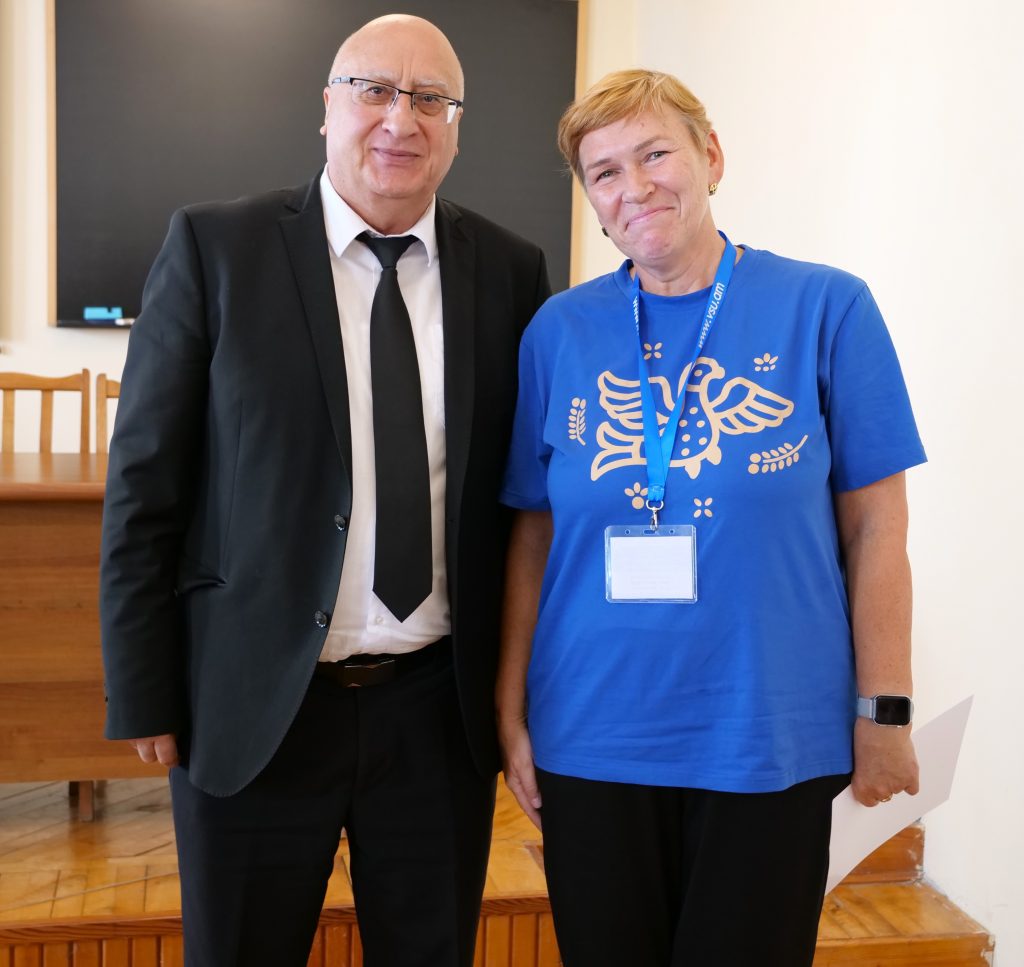
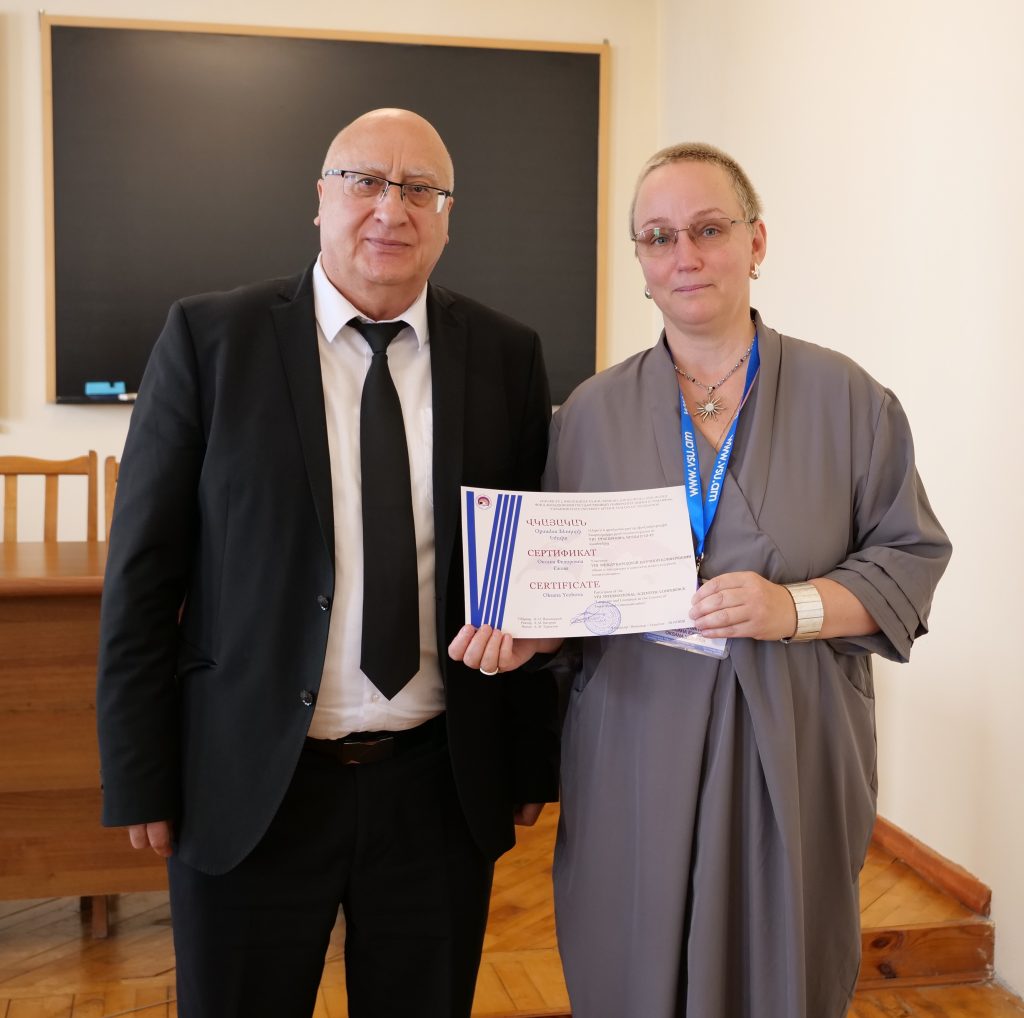
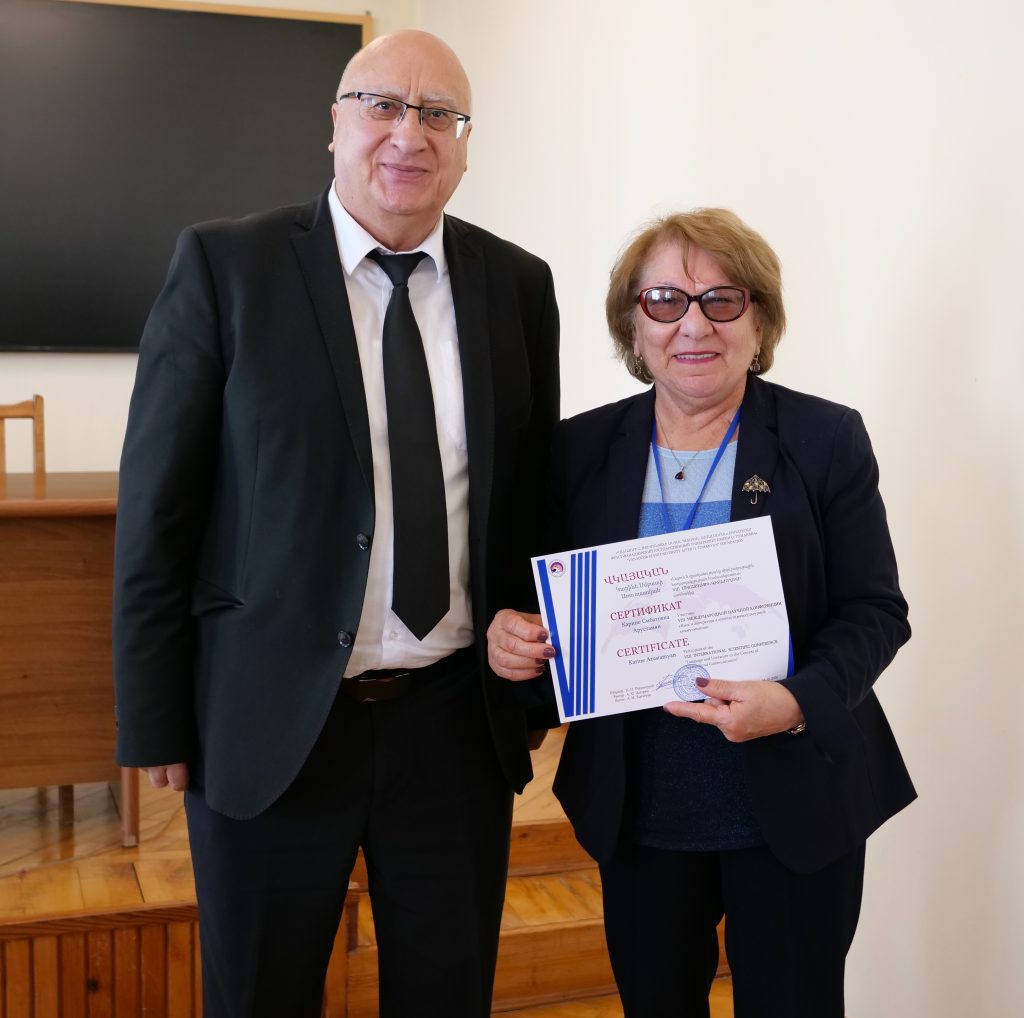
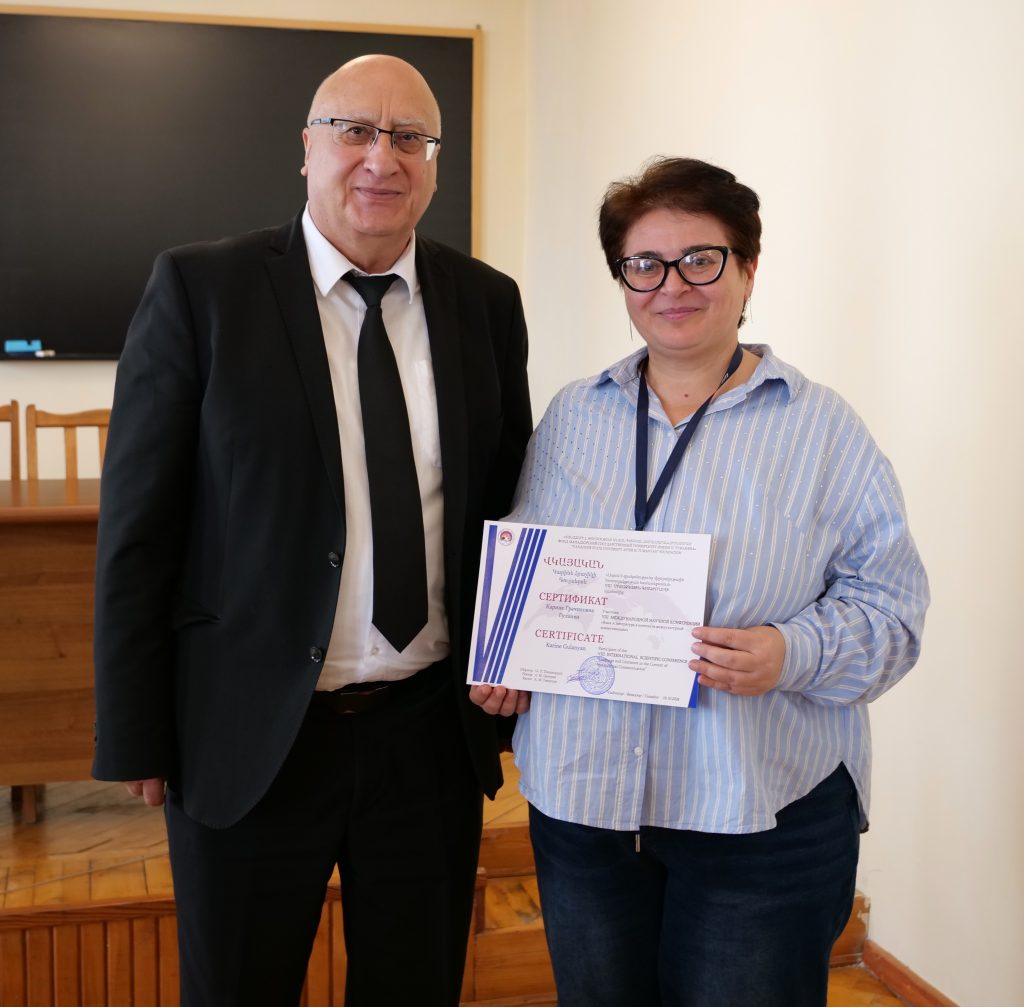
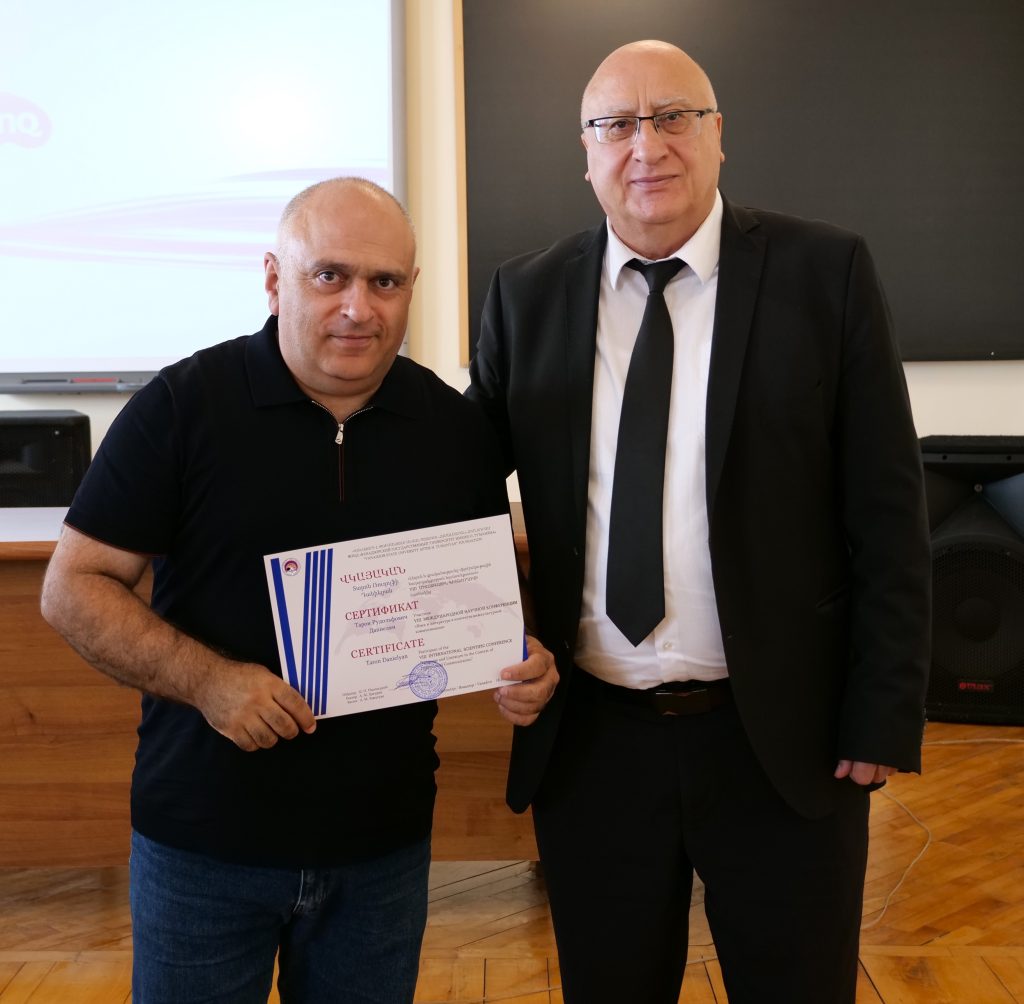
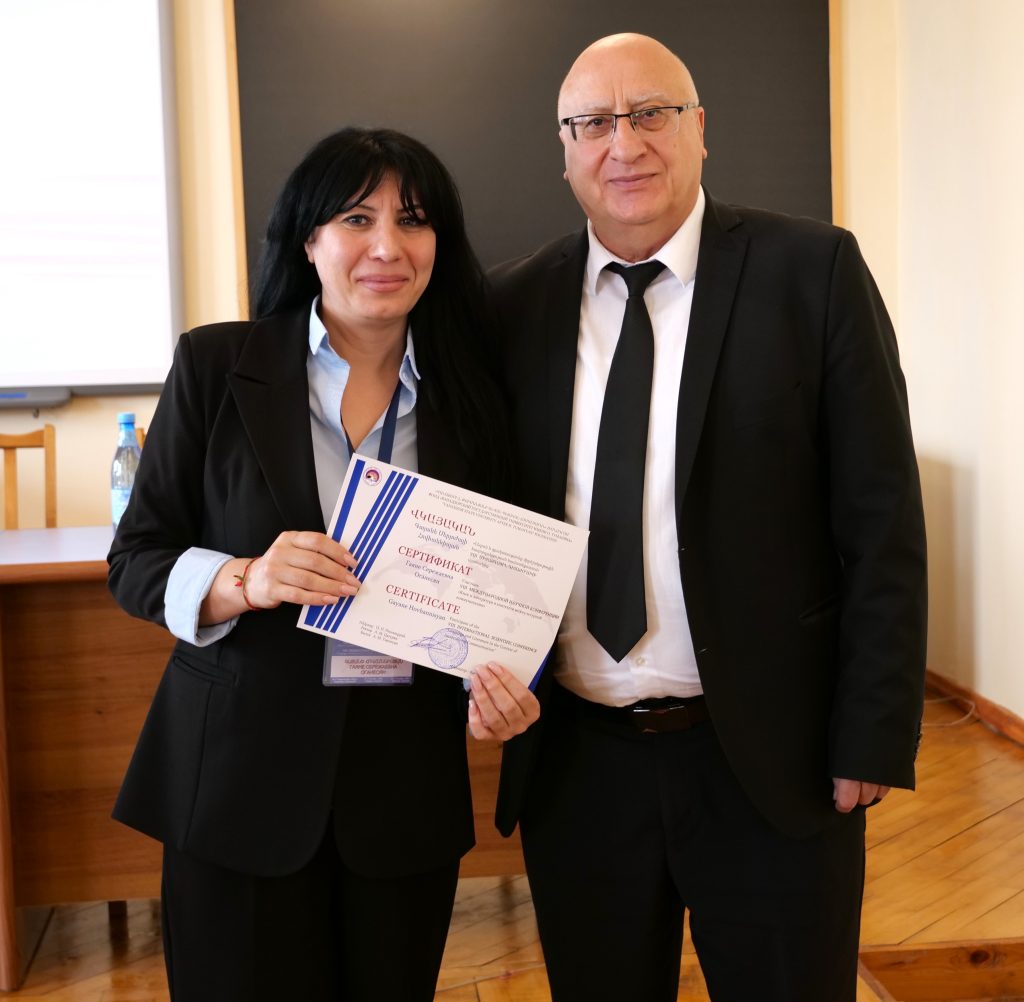
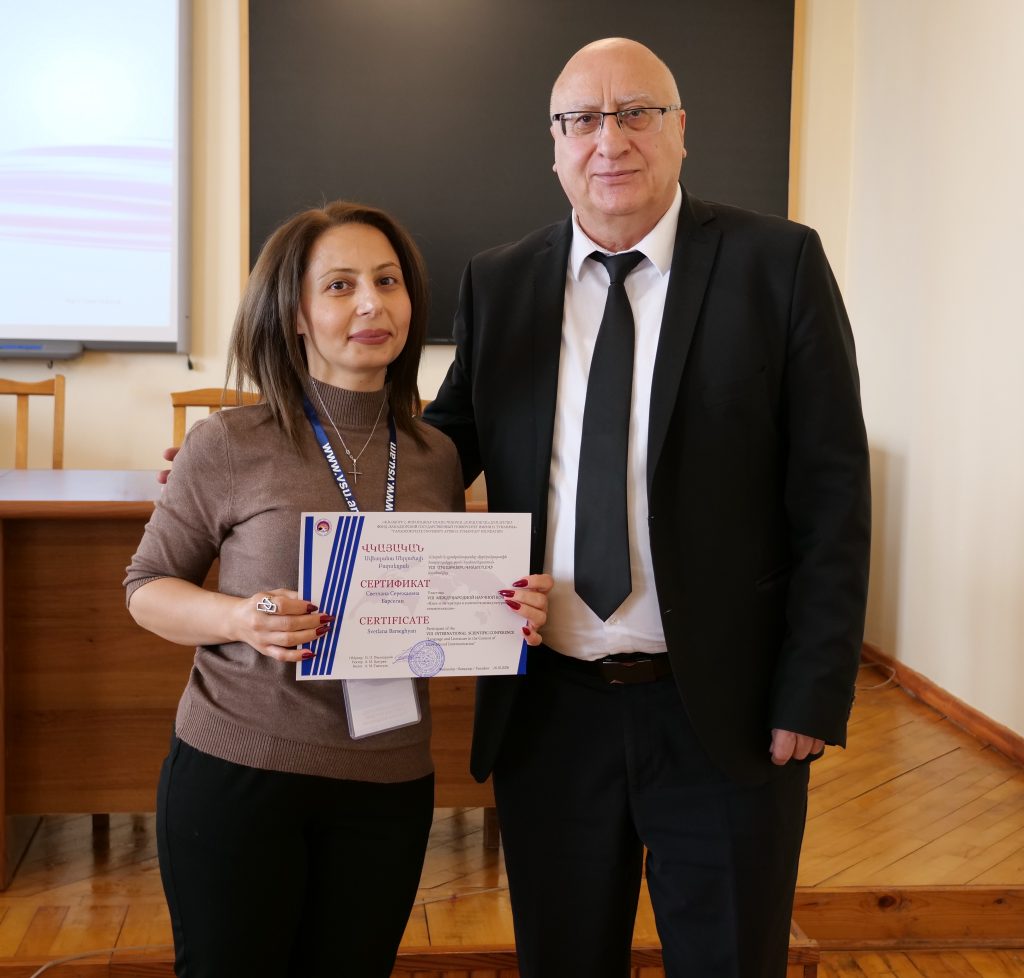
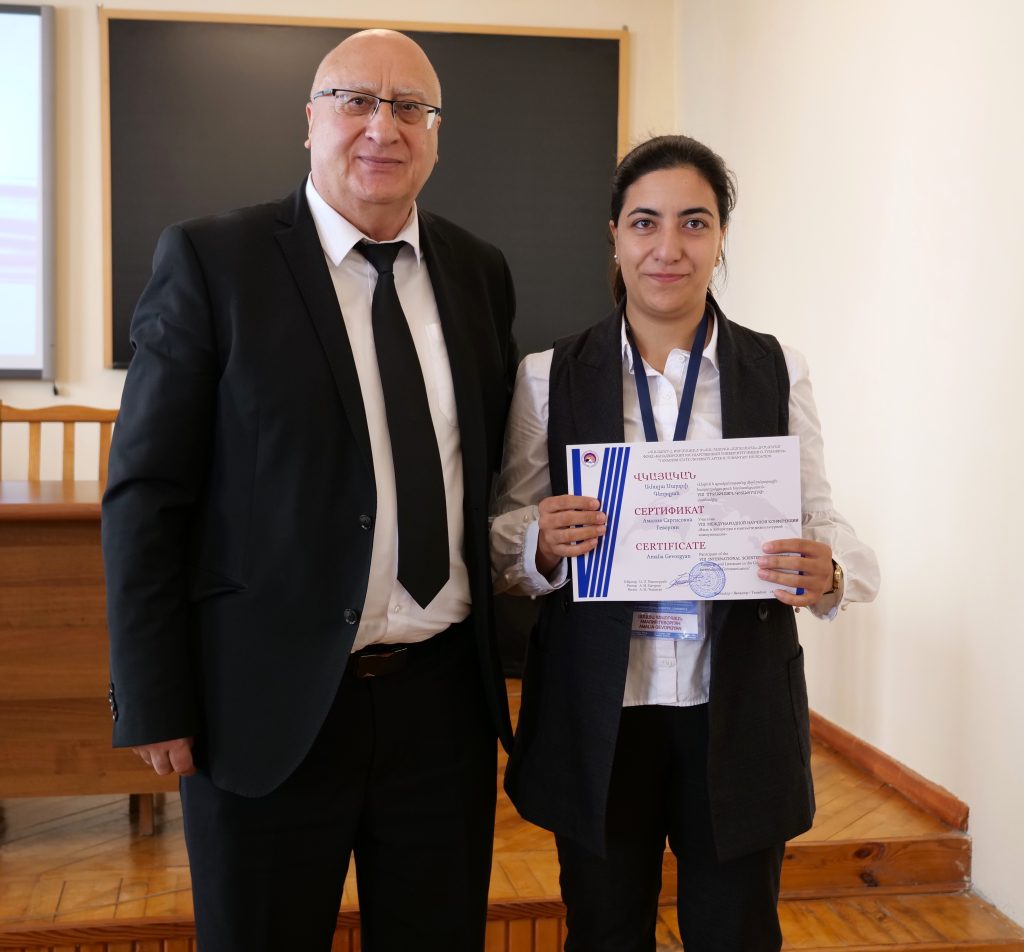
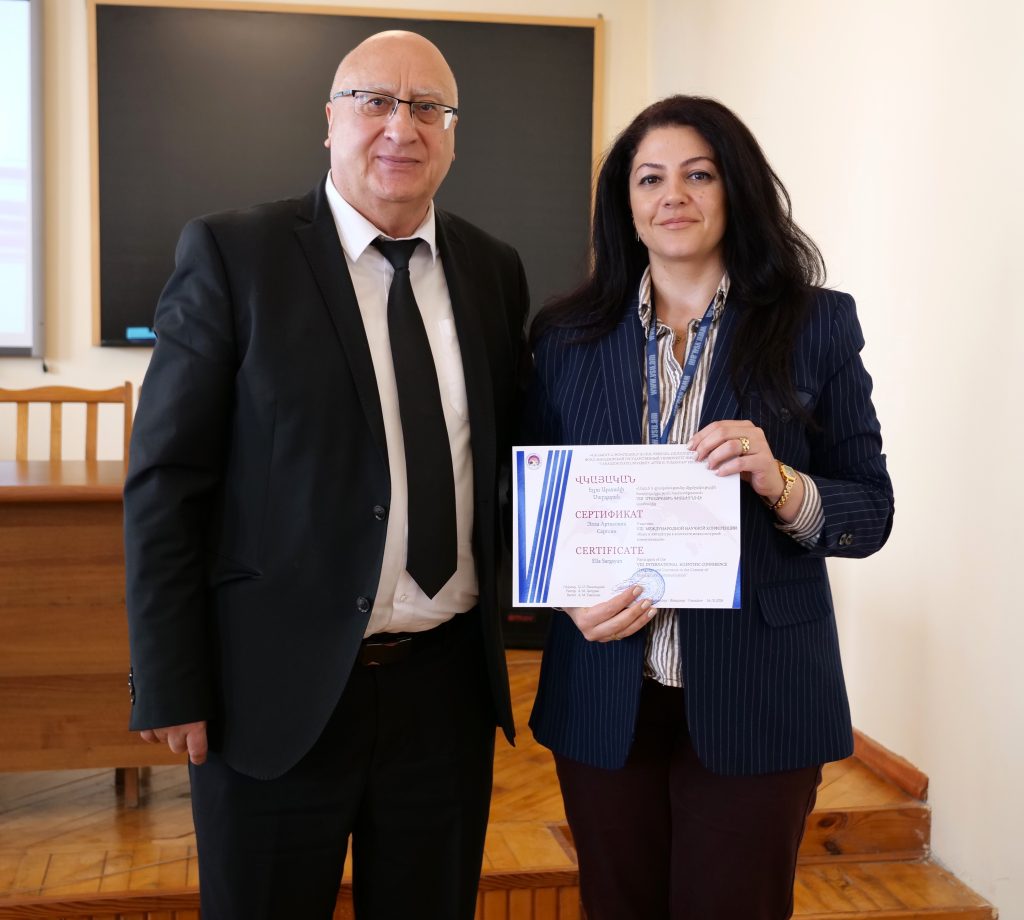
Summarising the proceedings, Armen Tsaturyan, Rector of VSU, thanked the participants, emphasising the exchange of scholarly ideas and the significance of such initiatives in the academic life of the university. At the end of the conference, certificates of participation were presented to the speakers.
The 8th International Conference reaffirmed the importance of the continuity of scholarly dialogue, bringing together the representatives of different countries and scholarly fields around language, literature and culture.