<<Regional Awareness Day>> Event held at Goris State University
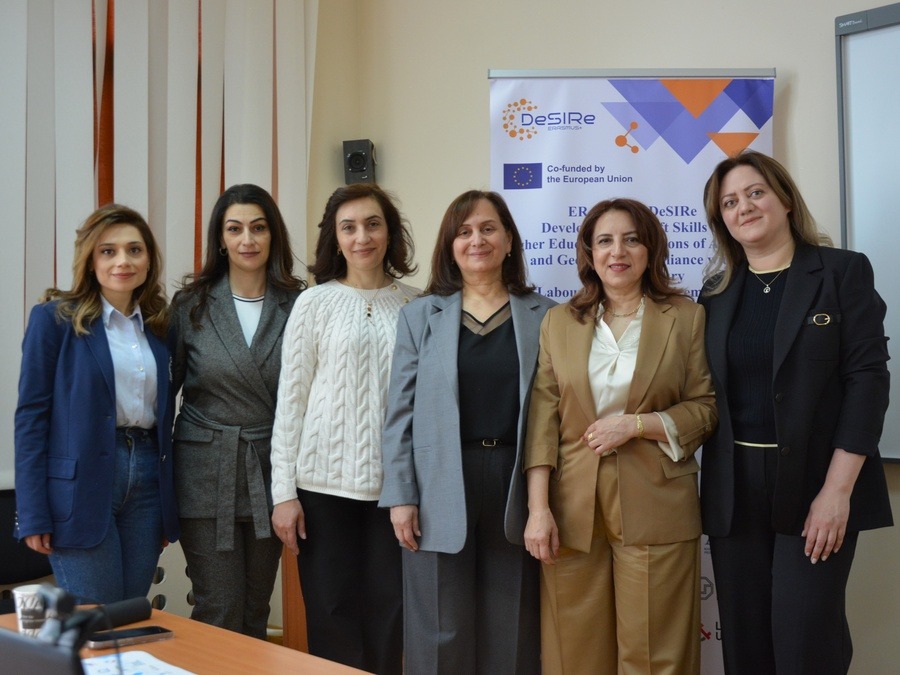
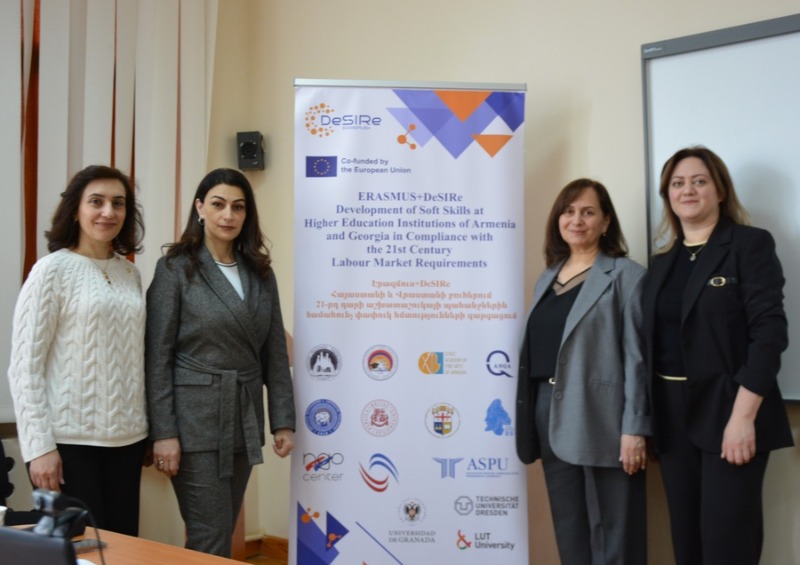
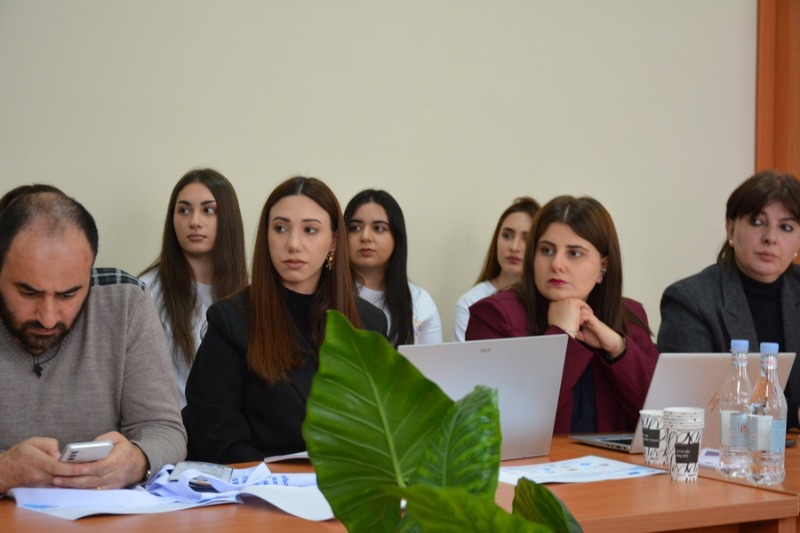
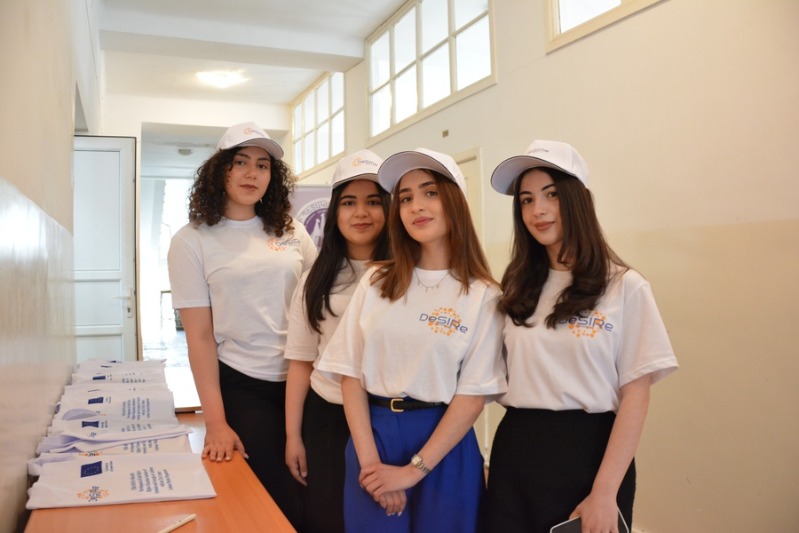
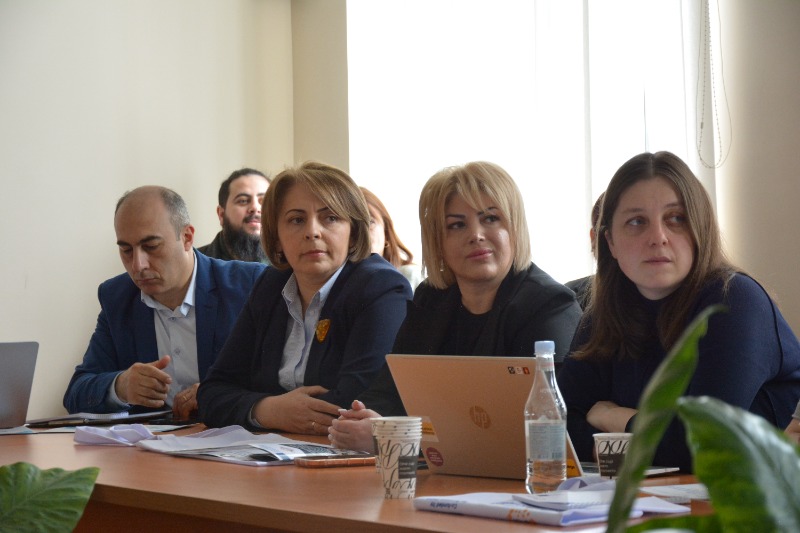
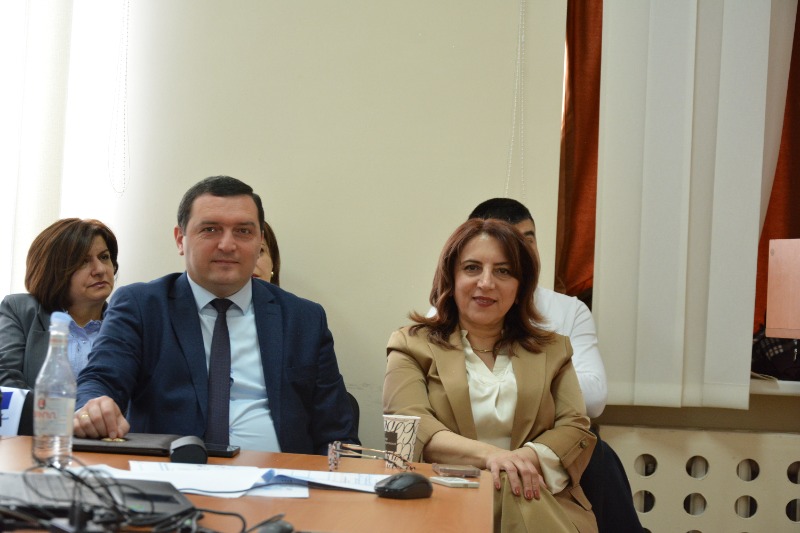
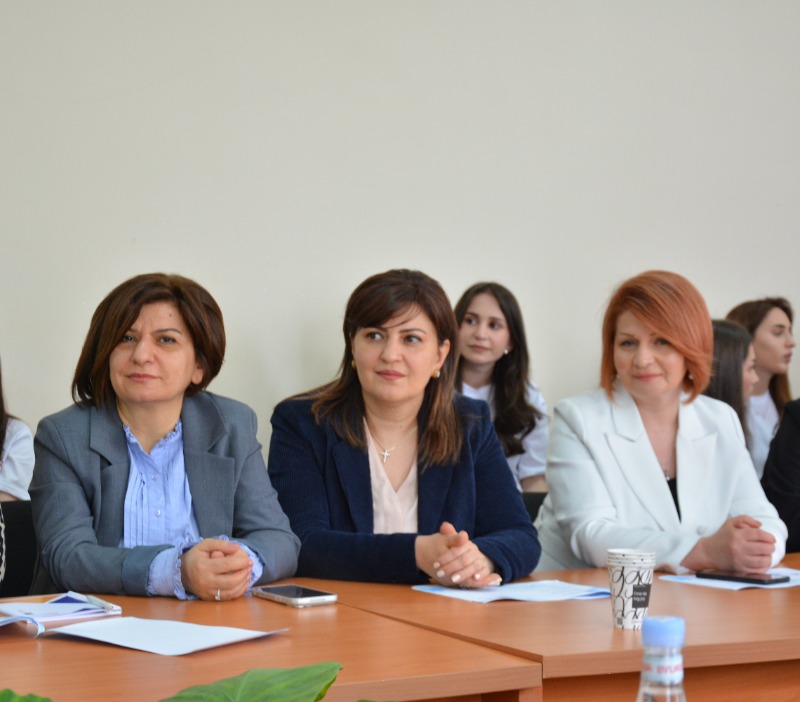
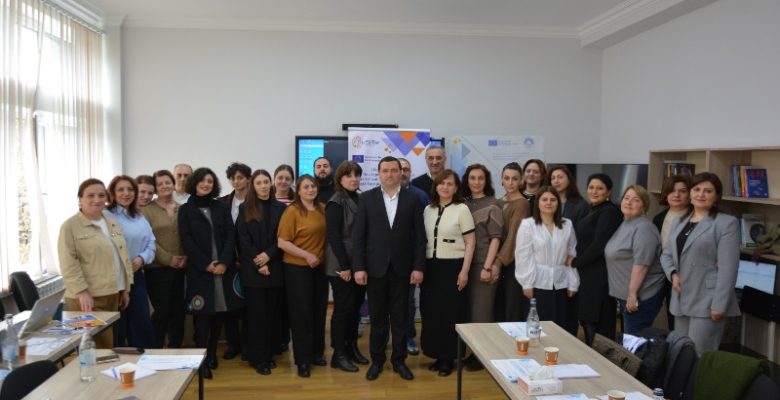
The first Regional Awareness Day (RAD 1), organized within the framework of the Erasmus+ KA2 CBHE project “Development of Soft Skills at Higher Education Institutions of Armenia and Georgia in Compliance with the 21st Century Labour Market Requirements (DeSIRe)”, took place from April 19 to April 22, 2026, at Goris State University in Armenia. The event brought together representatives of higher education institutions from Armenia and Georgia, EU partners, quality assurance agencies, public sector stakeholders, civil society organizations, academic staff, and students. The main objective of the event was to raise awareness of the project’s progress and achievements, while fostering dialogue on the importance of soft skills development in higher education in line with labour market demands.
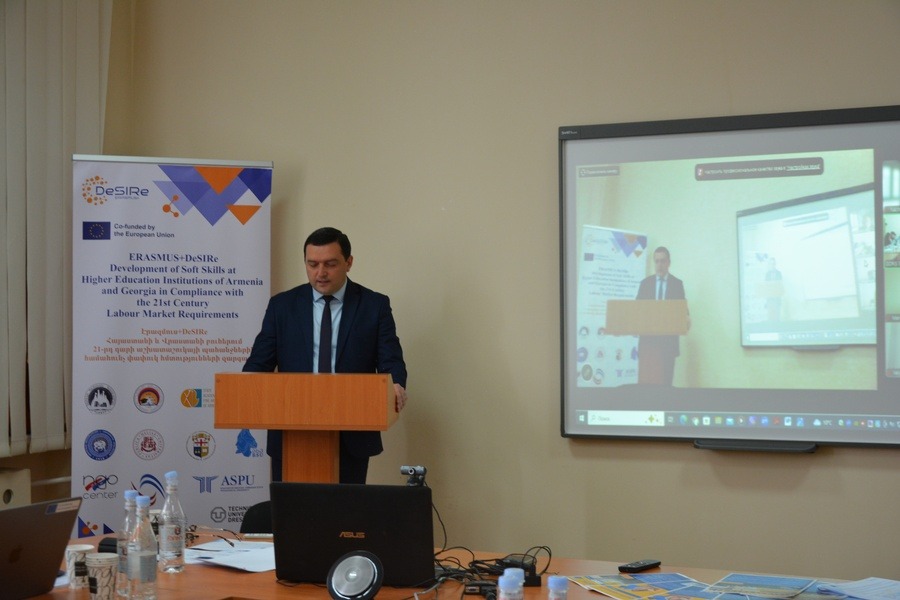
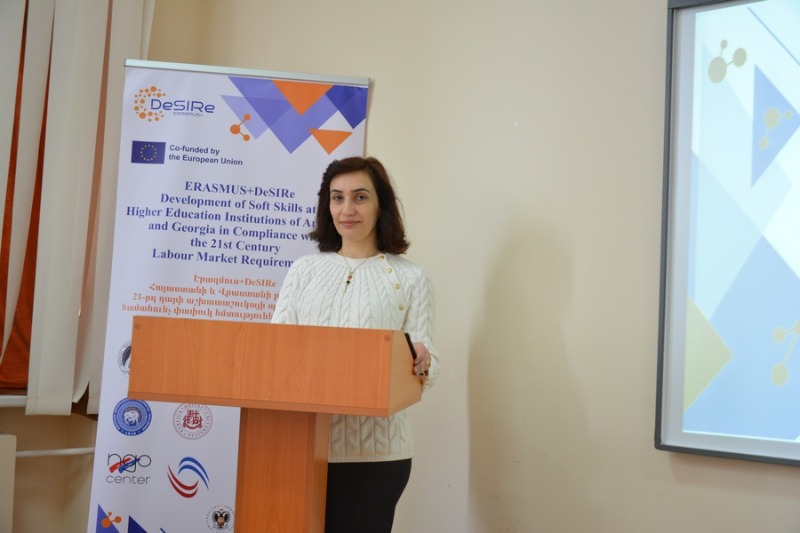
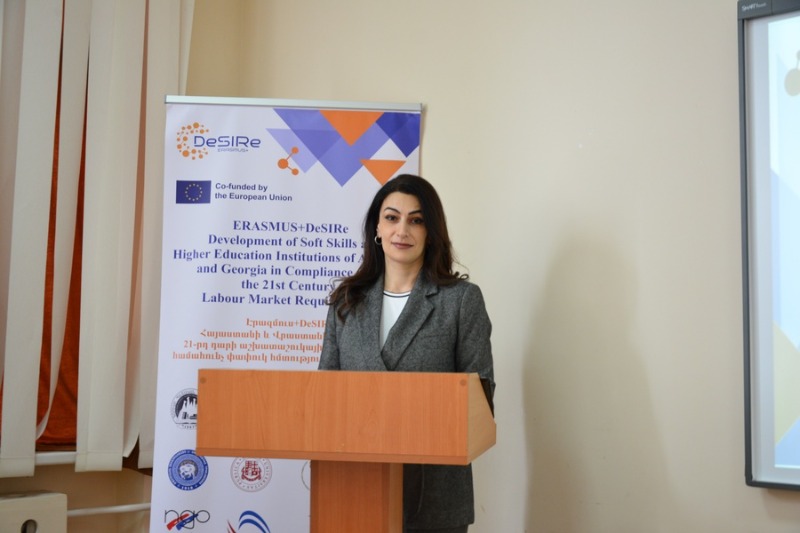
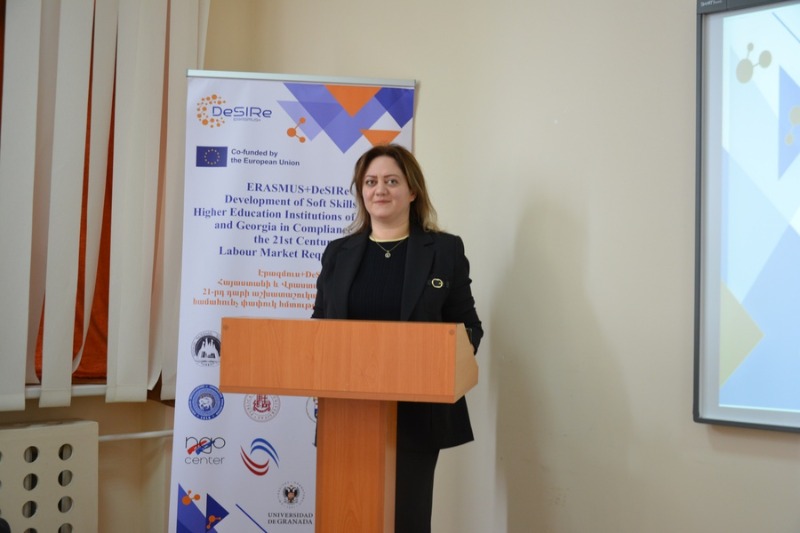
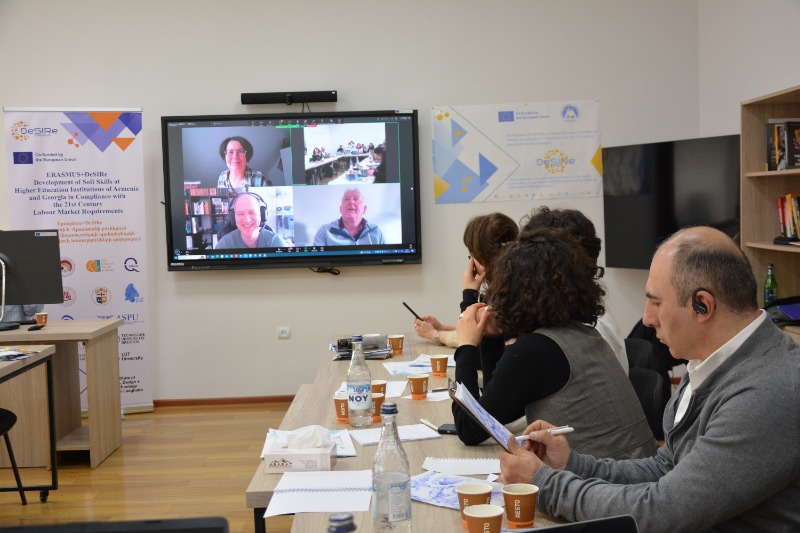
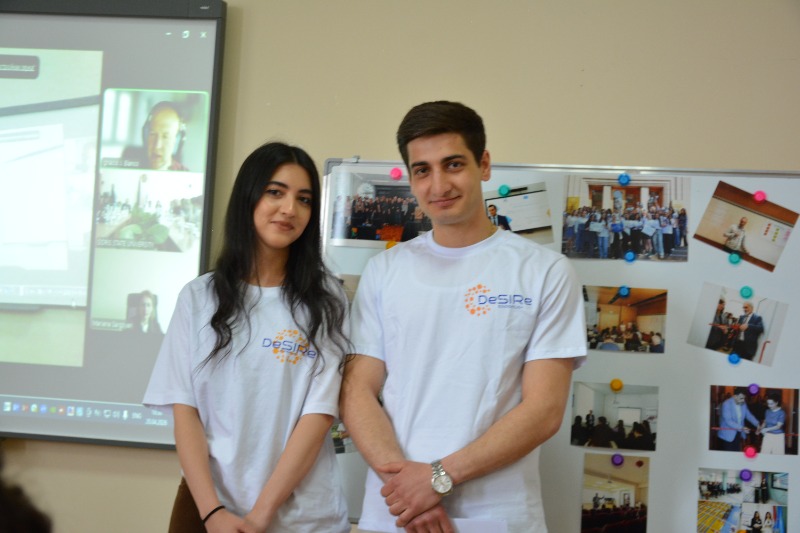
The programme commenced on April 20 at the Conference Hall of Goris State University and opened with a video presentation introducing the city of Goris and the host institution. The session was moderated by undergraduate students, contributing to a welcoming and inclusive atmosphere. The event featured official welcome speeches delivered by Dr. Tigran Vandunts, Rector of Goris State University; Dr. Mariana Sargsyan, NEO Armenia Coordinator (online); and Dr. Lusik Vardanyan, Coordinator of the Erasmus+ CBHE DeSIRe Project.
Welcoming the participants, Dr. Tigran Vandunts noted that in recent years the university has been actively engaged in international cooperation programmes, particularly Erasmus+ initiatives, which contribute to improving the quality of higher education and aligning it more closely with labour market demands. He emphasized the particular importance of the DeSIRe Project in this context and highlighted the growing role of soft skills, such as communication, teamwork, critical thinking, problem-solving, and leadership, in preparing competitive graduates. He concluded by expressing appreciation to the project partners and participants, underlining the importance of continued collaboration for strengthening soft skills development and enhancing the quality of education
Dr. Mariana Sargsyan welcomed the participants and highlighted the importance of the Erasmus+ Programme, and particularly the DeSIRe Project, in modernizing higher education systems. She emphasized that the project makes a significant contribution to strengthening institutional capacities, enhancing the potential of academic staff and students, and reinforcing the links between education and the labour market by promoting the development of soft skills aligned with 21st-century requirements.
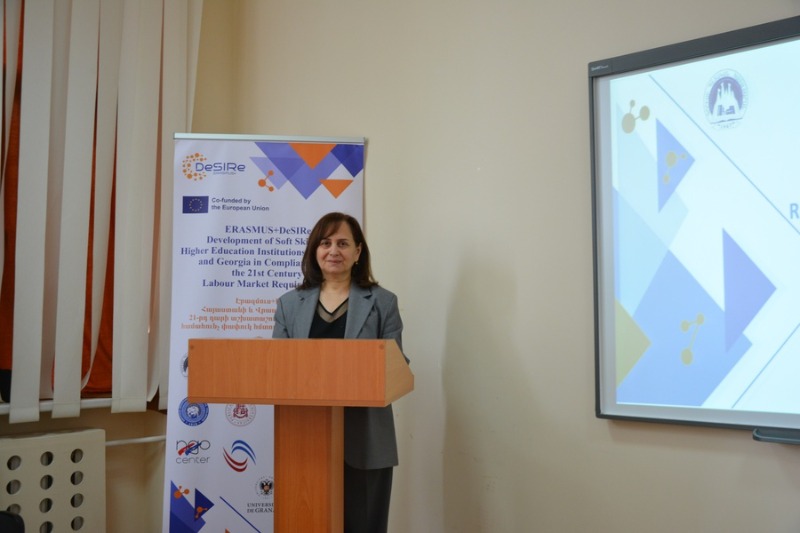
In her address, Dr. Lusik Vardanyan noted that the DeSIRe Project was initiated in response to a shared concern that higher education systems in Armenia and Georgia often place greater emphasis on knowledge acquisition than on the development of practical soft skills required in the labour market. She further emphasized that, through a collaborative co-creation approach and sustained capacity-building efforts, the project has successfully moved from planning to implementation, producing tangible results and fostering meaningful change across partner institutions.
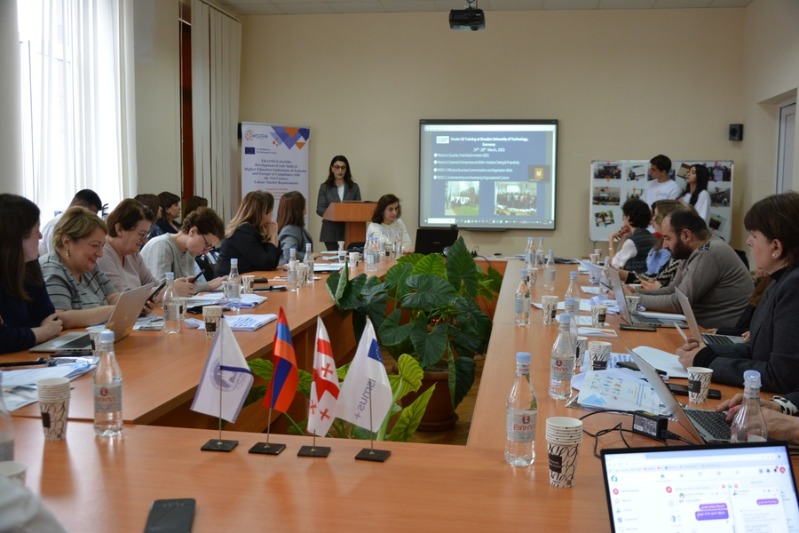
A central part of the programme was dedicated to the presentation of the project’s Work Packages. Each Work Package was introduced through concise presentations outlining key achievements and ongoing activities. The management structure and coordination mechanisms of the project were presented, followed by findings from the preparatory phase, including desk and field research on soft skills methodologies and best practices. Further presentations focused on capacity-building activities aimed at enhancing the competencies of academic staff, as well as the development of ECTS-compliant soft skills modules, MOOCs, and assessment methodologies. The upcoming piloting phase, including the preparation of teaching materials and manuals, was also addressed. In addition, the quality assurance framework and monitoring processes were presented, alongside dissemination and exploitation strategies aimed at ensuring the sustainability and visibility of project results. Each presentation was followed by a short discussion, allowing participants to ask questions and exchange perspectives.
The afternoon session featured a panel discussion titled “Are Our Universities Equipping Students with the Soft Skills Employers Need?”, which brought together representatives from academia, quality assurance bodies, civil society, and the student community. The discussion focused on the existing gap between academic education and labour market expectations, particularly in relation to transversal skills such as communication, critical thinking, adaptability, and teamwork. Participants emphasized the need for a more systematic integration of soft skills into university curricula and highlighted the importance of collaboration among stakeholders to achieve this objective. The session concluded with a summary of key observations, reflecting a shared understanding of the urgency of these issues and recognition of the DeSIRe Project as a structured and timely response.
On April 21, the activities continued at the Soft Skills Lab of Goris State University with a working session focused on internal quality assurance and academic development. This session addressed the design and refinement of the developed soft skills modules and MOOCs. Discussions focused on evaluating their content and structure, enhancing their quality, and agreeing on their distribution among Armenian and Georgian higher education institutions for the piloting phase. This session played an important role in ensuring the consistency and practical applicability of the project outputs.
The second part of the day featured a student panel discussion titled “Soft Skills That Actually Matter,” where students shared their perspectives on the skills they consider essential for their academic and professional development. The discussion provided valuable insights into students’ experiences, highlighting existing gaps in educational practices and expressing clear expectations for more practice-oriented and skills-oriented learning approaches. The inclusion of student voices added an important dimension to the event and further reinforced the relevance of the project’s objectives.
The programme concluded with a coordination meeting among project partners, during which upcoming activities were discussed, responsibilities were clarified, and next steps for implementation, piloting, and dissemination were agreed upon. The final day, April 22, was dedicated to the departure of participants.
Overall, the first Regional Awareness Day successfully achieved its objectives by presenting the progress made across all components of the DeSIRe Project, facilitating meaningful exchanges among stakeholders, and strengthening cooperation between Armenian, Georgian, and European partners. The discussions confirmed that the project is actively contributing to addressing existing challenges in higher education by promoting the integration of soft skills into academic programmes. At the same time, the event highlighted the importance of sustained efforts in the upcoming phases, particularly in relation to piloting, evaluation, and long-term institutional implementation, ensuring a lasting and sustainable impact beyond the project duration.