“The Origin and Historical Development of the Armenian Language”: A Three-Day Course with Armenian Studies Scholar Hrach Martirosyan
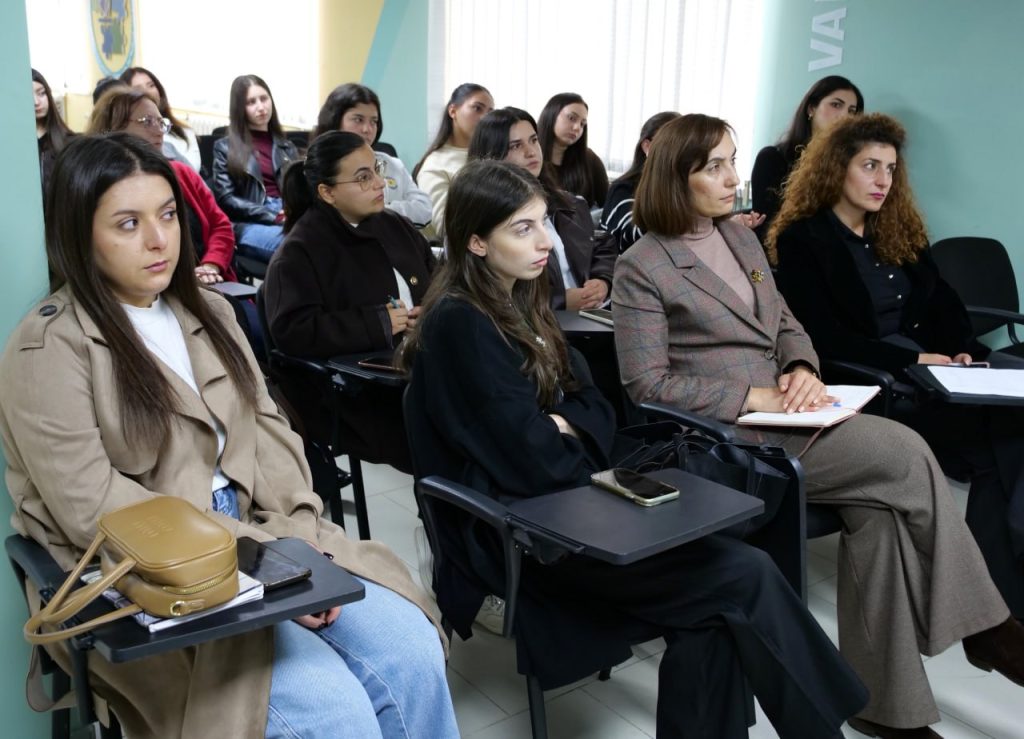
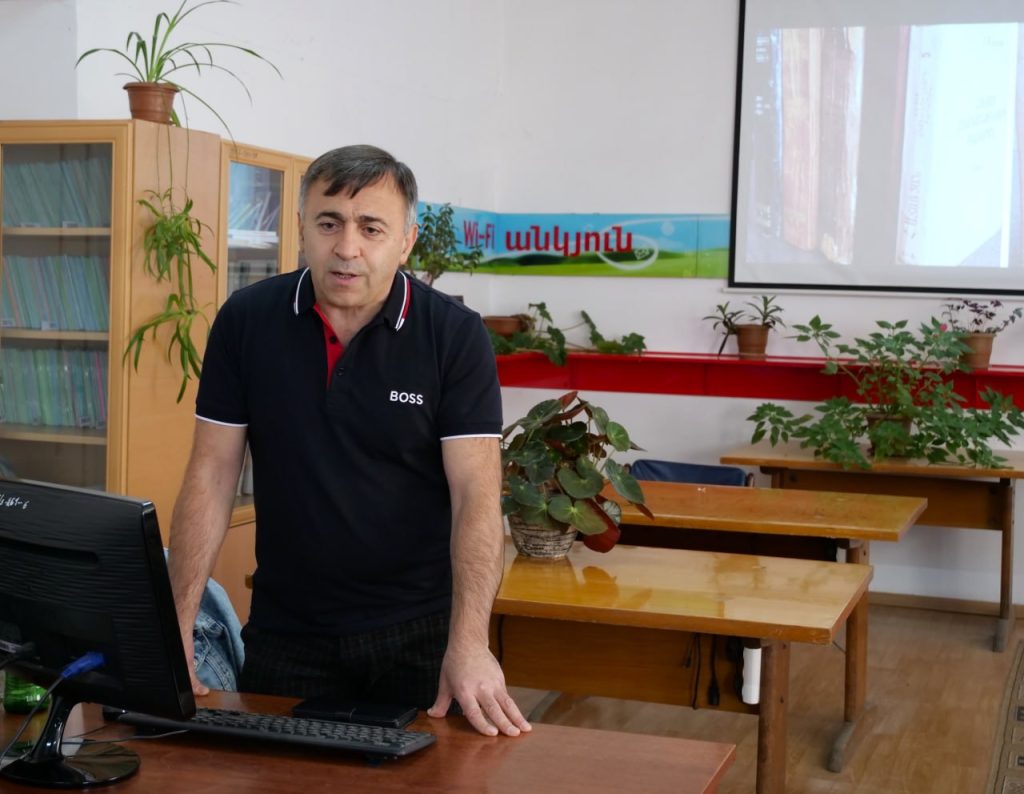
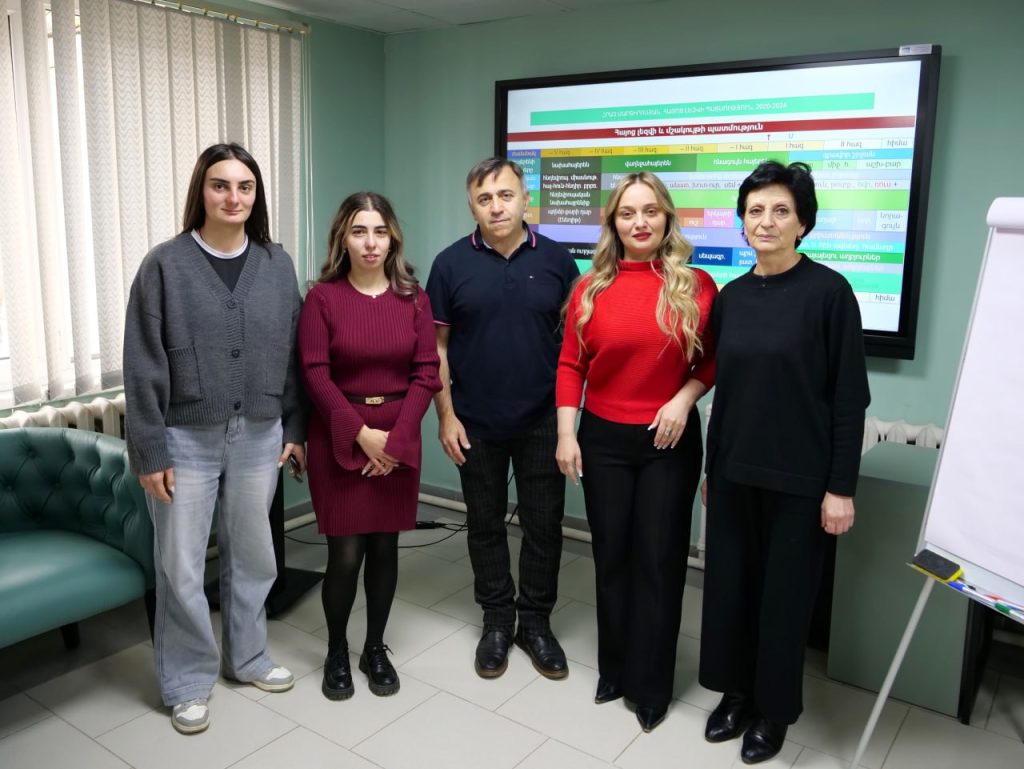
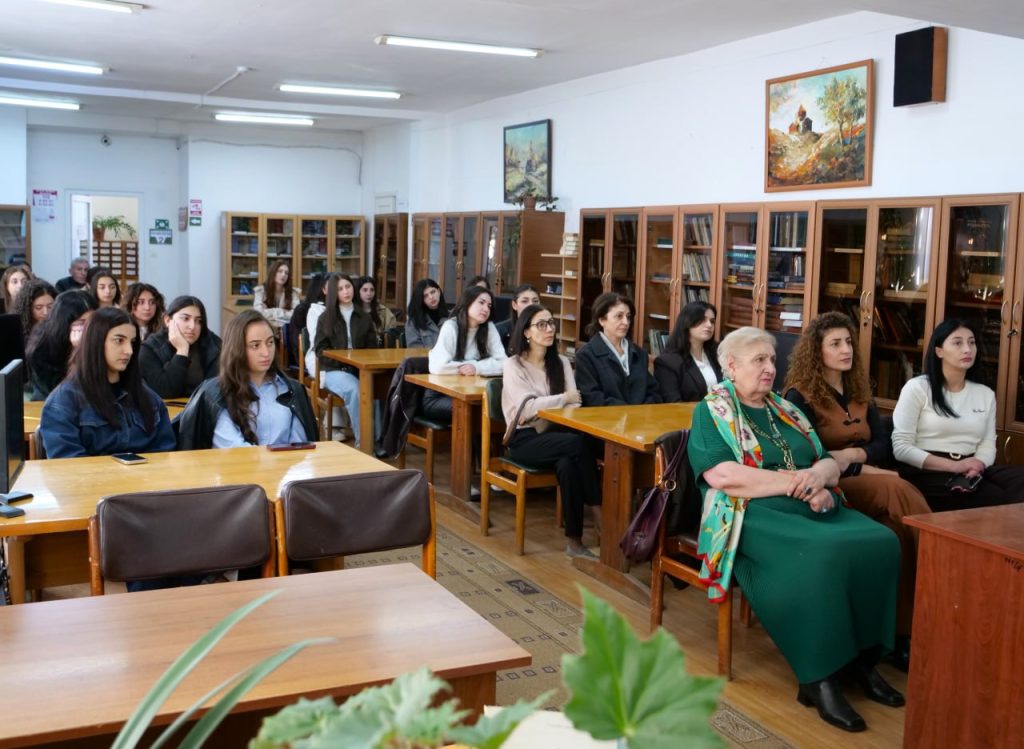
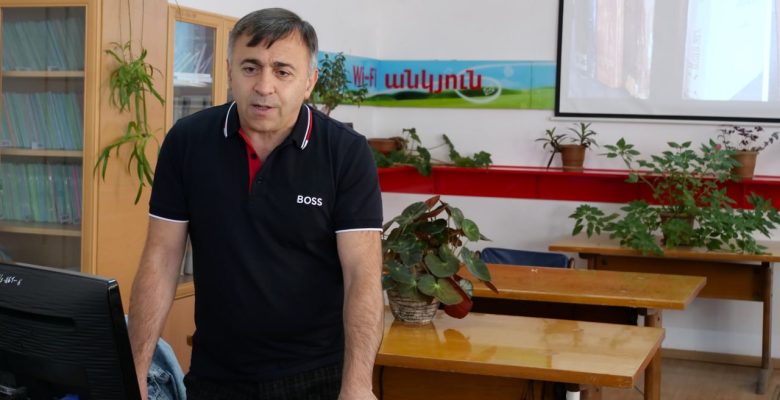
From 3 to 5 November, the three-day course “The Origin and Historical Development of the Armenian Language” took place at the “Vanadzor State University after H. Tumanyan” Foundation. It was led by the linguist and Armenologist Hrach Martirosyan, Candidate of Philological Sciences and Doctor of Leiden University.
The course was organized by the VSU Library and Resource Center and the Center for Educational Reforms, Continuing Education and Career, on the initiative of Hrach Martirosyan.
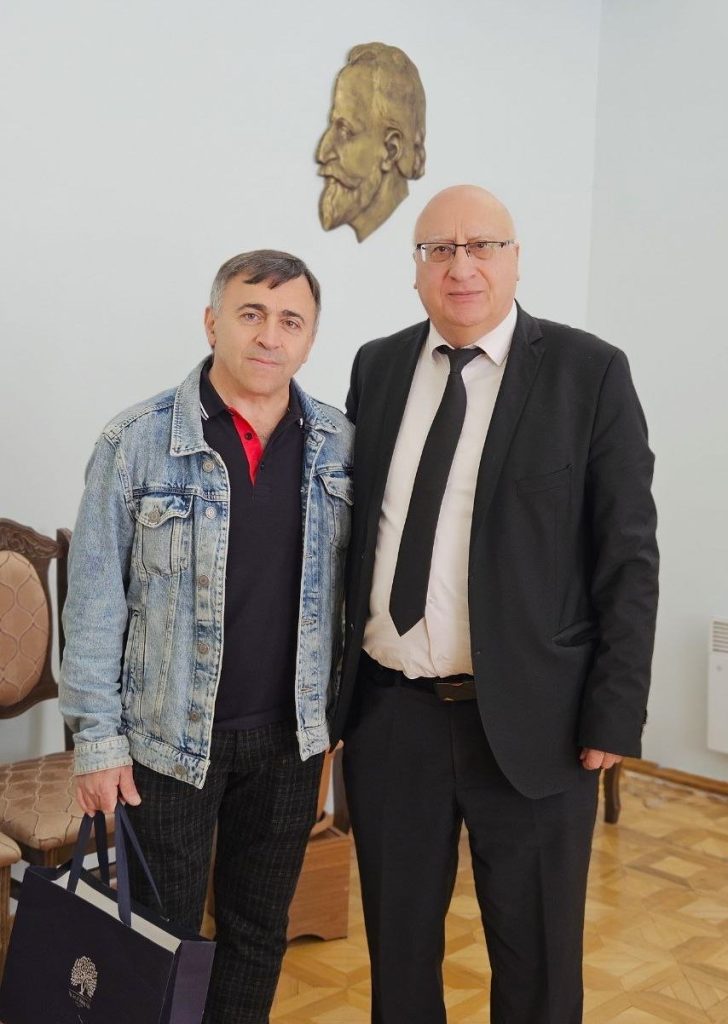
Before the course began, the scholar met with the University Rector, Armen Tsaturyan. The meeting stressed the role of such initiatives in the development of university education and the academic environment, particularly in broadening students’ professional knowledge and fostering their academic interests. The Rector presented H. Martirosyan with several collections of scholarly articles published by the university over the years.
This was not Hrach Martirosyan’s first visit to the university. In previous years he had met with students several times, presented a range of linguistic topics, and organized research expeditions and lectures. This time, however, the course focused on the scholarly legacy of the eminent Armenian linguist Hrachya Acharyan, in connection with the 150th anniversary of his birth.
The opening session was devoted to Hrachya Acharyan himself, one of the founders and most prominent representatives of Armenian studies, whose work and legacy are of fundamental importance for the comprehensive study of the Armenian language. The session addressed the significance of Acharyan’s scholarly approaches and research methods for the development of contemporary linguistics and Armenian studies. One of the course’s main aims was to deepen students’ interest in the great scholar’s legacy and to foster appreciation of his scholarly achievement.
The thematic discussions planned for the following two sessions were intended to give students a more thorough introduction to the origin of the Armenian language, historical phonetics, linguistic transformations, and the central problems of Armenian studies. Direct contact with the scholar allowed students not only to deepen their theoretical knowledge but also to examine linguistic problems through practical work and become familiar with their scholarly interpretations.
Scholarly discussions of this kind on the history, development, and preservation of the native language carry particular weight in a university setting. They contribute to deeper linguistic awareness, to recognition of the national linguistic and cultural heritage, and to a sense of responsibility toward it. Such initiatives also strengthen the link between scholarly thought and the educational process, drawing students into professional dialogue and the development of research interests. Alongside the lectures, discussions were held with Lilit Parsadanyan, Head of the Center for Educational Reforms, Continuing Education and Career; Gohar Dokholyan, Head of the Center for Internationalization, Cooperation, Project Management and Public Relations; and Gohar Gaboyan, Head of the Library and Resource Center. They concerned putting the university’s cooperation with Hrach Martirosyan on a continuing footing and carrying out joint scholarly projects with him.